The debate over toy materials for children has gained attention. Many parents wonder, "why are wooden toys better than plastic toys?" Experts in child development emphasize the benefits of choosing wooden options. Dr. Sarah Thompson, a renowned child psychologist, notes, "Wooden toys encourage imaginative play and are safer for kids."
Wooden toys, often made from natural materials, are durable and eco-friendly. They don't release harmful chemicals, unlike many plastic toys. Additionally, wooden toys are more engaging. Their textures and aesthetics stimulate a child's imagination. However, not all wooden toys are created equal. It's essential to choose high-quality products that meet safety standards.
While plastic toys may be colorful and versatile, they frequently end up in landfills. This raises a question of environmental impact. Parents should reflect on what they value in their child's playtime. Choosing wooden toys can nurture creativity, but it requires careful selection. In the end, the question remains: Is the convenience of plastic worth sacrificing the benefits of wood?
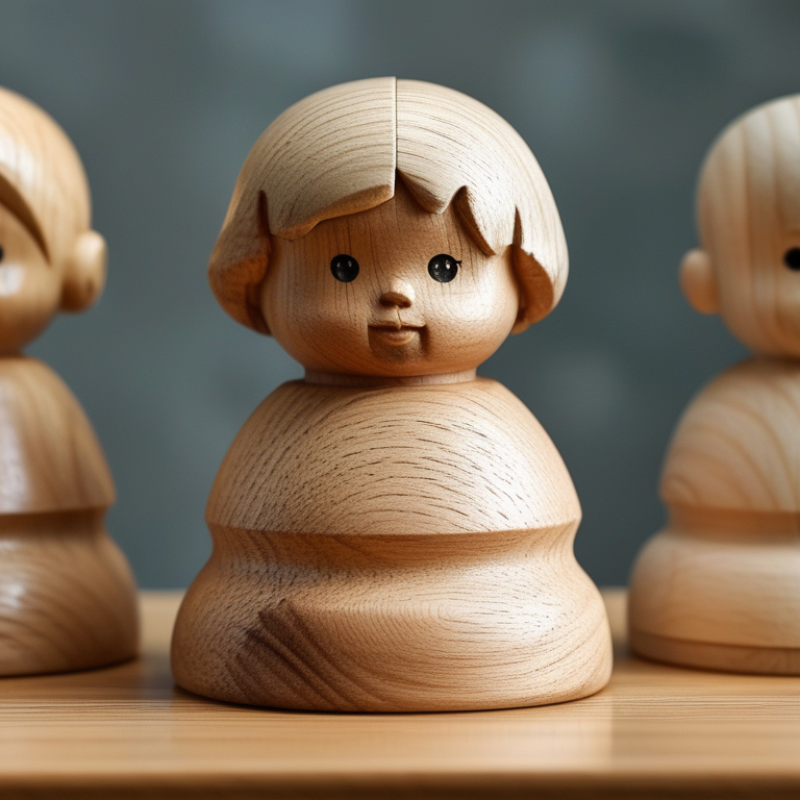
Benefits of Wooden Toys for Child Development
When considering toys for children, wooden toys shine in many aspects of child development. These toys encourage imaginative play and creativity. A block set, for instance, invites endless possibilities. Children can build castles or bridges, enhancing spatial awareness. Each new creation fosters problem-solving skills.
Research indicates that wooden toys can improve fine motor skills. Picking up small pieces and fitting them together promotes dexterity. This hands-on experience is vital as kids grow. Unlike plastic, wood has a tactile quality that feels good in small hands. The sensory element of touching different textures is enriching for young minds.
For parents choosing toys, consider these tips: opt for natural finishes to avoid harmful chemicals. Look for toys that require interaction, such as puzzles. These promote critical thinking. Also, think about longevity; wooden toys often withstand the test of time. They can be passed down, creating a connection between generations. Such choices matter. They influence how children develop skills they'll use for life.
Benefits of Wooden Toys for Child Development
Wooden toys offer significant benefits for various aspects of child development. The bar chart above illustrates the key areas improved by wooden toys, including cognitive skills, fine motor skills, social skills, imagination, and emotional development. Each category shows a percentage of enhancement associated with wooden toys, highlighting their educational and developmental advantages over plastic alternatives.
Environmental Impact: Wooden Toys vs. Plastic Toys
When considering the environmental impact, wooden toys present a compelling alternative to plastic ones. A report by the American Society for Testing and Materials (ASTM) states that plastic waste contributes significantly to ocean pollution. Around 8 million metric tons of plastic enter oceans every year. In contrast, wooden toys, made from renewable resources, can biodegrade over time, reducing long-term waste.
However, the sourcing of wood raises concerns. Unsustainable logging practices can harm forests and biodiversity. It's crucial to look for toys made from responsibly sourced wood. The Forest Stewardship Council (FSC) certifies products that come from environmentally sound forests. This certification ensures that purchasing these toys supports sustainable forestry.
The durability of wooden toys is another aspect to consider. While they may have a higher upfront cost, they often last longer than plastic toys. Research shows that robust wooden toys can last for generations. Children can share them among siblings or community members, promoting reuse. Still, not all wooden toys are eco-friendly; some may include harmful paints or finishes. Therefore, checking for safety standards is vital for ensuring a safe play experience.
Safety Considerations: Non-Toxic Materials in Wooden Toys
When it comes to children's toys, safety is paramount. Wooden toys often use non-toxic materials, providing peace of mind for parents. According to a report from the American Academy of Pediatrics, many plastic toys can contain harmful chemicals like phthalates and bisphenol A (BPA). These substances pose potential health risks to young children, whose bodies are still developing. In contrast, untreated wood offers a natural alternative.
A study published in the Journal of Environmental Health highlights that more than 70% of plastic toys tested contained toxic substances. On the other hand, wooden toys, when sourced from reputable manufacturers, are less likely to carry such risks. They often use natural finishes, promoting a safer play environment. As children explore, their tendency to mouth objects makes the choice of materials even more crucial.
The tactile nature of wooden toys also encourages creative play. The varying textures and weights offer different sensory experiences. Yet, not every wooden toy is created equal; some may still use harmful finishes. Parents should seek certifications like ASTM or EN71 to ensure quality and safety. Embracing wooden toys means opting for a safer, more sustainable choice, directly benefiting childhood development.
Durability and Longevity of Wooden Toys Compared to Plastic
Wooden toys are becoming popular for their durability and longevity. Unlike plastic toys, which often break easily, wooden toys can withstand rough play. They resist wear and tear better than their plastic counterparts. This means they can be passed down through generations. A well-made wooden toy can last for decades, becoming a cherished keepsake.
Moreover, wooden toys are made from natural materials. They do not contain harmful chemicals found in many plastics. Parents can feel more at ease knowing their children are playing with safe items. Some may argue that wooden toys are more expensive initially, but their lifespan offers better value over time. Investing in a sturdy wooden toy can save money in the long run.
However, there are challenges. Not all wooden toys are created equal. Some may be poorly constructed and lack durability. Parents should carefully select toys from reputable sources. It’s essential to check for quality and craftsmanship. This reflection on wooden toy selection highlights the importance of making informed choices for children’s play.
Why Choose Wooden Toys Over Plastic Toys for Kids?
| Characteristic |
Wooden Toys |
Plastic Toys |
| Durability |
High; resistant to damage and can last for generations. |
Moderate; may break or wear down over time. |
| Environmental Impact |
Biodegradable, made from renewable resources. |
Non-biodegradable, contributes to plastic pollution. |
| Safety |
Natural materials, often non-toxic finishes. |
Can contain harmful chemicals; surface wear can release toxins. |
| Play Value |
Encourages creativity and open-ended play. |
Often marketed with specific play scenarios, limiting creativity. |
| Aesthetic Appeal |
Unique natural textures and colors; timeless design. |
Bright colors and plastic finishes; may look less appealing over time. |
Aesthetic and Educational Value of Wooden Toys for Kids
Wooden toys offer unique aesthetic and educational benefits for children. Unlike plastic toys, they possess a natural warmth and texture that engage a child's senses. The beauty of wood grain can captivate young minds, sparking creativity and imaginative play. Brightly painted surfaces or smooth, unfinished wood can inspire diverse interactions, making each play session a new adventure.
Educationally, wooden toys encourage hands-on learning. They can promote fine motor skills as children grasp and manipulate different shapes. Many wooden toys have simple designs that stimulate critical thinking. For instance, a wooden puzzle challenges children to think about how pieces fit together. This kind of play fosters cognitive development and allows for problem-solving in a tactile environment.
However, not every aspect of wooden toys is perfect. The weight of a wooden toy can sometimes be cumbersome for smaller hands. Additionally, while they are generally more durable, they can be prone to splintering if not well cared for. Parents need to reflect on the maintenance these toys require. Choosing wooden over plastic isn't just a trend; it combines beauty and educational value that contributes profoundly to a child's growth.
Conclusion
When considering why are wooden toys better than plastic toys, several key aspects come into play. Wooden toys are often favored for their developmental benefits, as they encourage imaginative play and fine motor skills. They also pose a lower environmental impact since they are made from renewable resources and decompose more easily than plastic alternatives. Additionally, wooden toys are typically crafted from non-toxic materials, ensuring safety for children during play.
Moreover, the durability and longevity of wooden toys make them a worthwhile investment, often outlasting their plastic counterparts. Their aesthetic appeal adds educational value, as the natural textures and colors can stimulate a child’s creativity and learning. Overall, the advantages of wooden toys make them a superior choice for both child development and environmental health.

 Fyre Toys