Wooden toys have been loved by generations. They capture children’s imagination and encourage playful learning. More importantly, they play a significant role in developing fine motor skills. Parents often wonder, "How do wooden toys improve fine motor skills?" This question highlights their importance in early childhood development.
Playing with wooden toys involves various actions, such as gripping, stacking, and manipulating. These simple yet effective activities improve dexterity and hand coordination. Children learn to control their finger movements through play. Each interaction with these tactile objects helps strengthen their small muscles. This gradual enhancement can lay a strong foundation for future skills, like writing.
However, not all wooden toys are created equal. Some may not engage children as effectively as others. The challenge lies in choosing toys that stimulate interest and provide diverse experiences. It’s essential to select pieces that are age-appropriate and encourage exploration. Reflecting on what toys truly support growth can be a valuable exercise for parents.
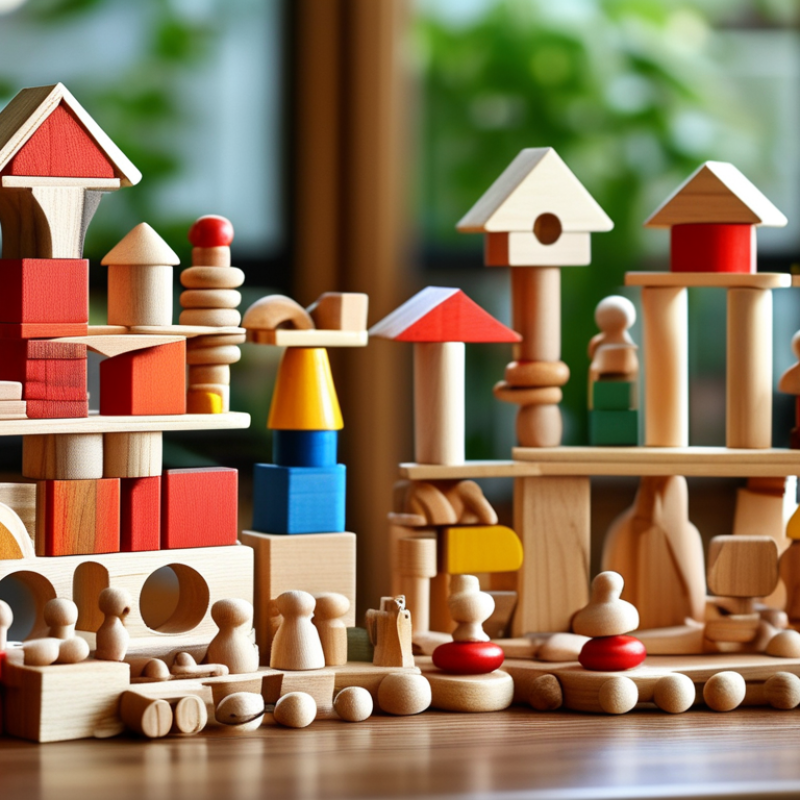
Understanding Fine Motor Skills: Definition and Importance
Fine motor skills are essential for children's development. They involve the coordination of small muscles, particularly in hands and fingers. These skills are crucial for tasks such as writing, buttoning shirts, and using utensils. Children refine these skills through play and exploration. Thus, understanding their importance is vital for parents and educators alike.
Wooden toys are a wonderful tool for enhancing fine motor skills. Their tactile nature engages children's senses. Building blocks, puzzles, and stacking toys are perfect for hand-eye coordination. Children learn to grasp, pull, and manipulate objects. This process is fun and fulfilling, yet it requires patience. It’s okay if a child struggles initially; encouragement is key.
Tips for promoting fine motor skill development include providing diverse toys. Choose items that are safe and age-appropriate. Supervise playtime to ensure safety. Allow for open-ended play without guidance. This fosters creativity and problem-solving. Engage in activities like drawing or crafting together. These experiences can be rewarding for both children and adults. Allow mistakes as learning opportunities; they pave the way to improvement.
The Role of Play in Developing Motor Skills in Early Childhood
Play is essential in early childhood development. It helps children learn and grow. Engaging in play with wooden toys fosters creativity and imagination. These activities encourage children to explore their surroundings while developing fine motor skills. When children manipulate blocks or assemble puzzles, they practice grasping, pinching, and hand-eye coordination.
The tactile experience of wooden toys is invaluable. Wood provides various textures and weights for children to interact with. Children learn to control their movements as they stack, sort, and create. Each action enhances their dexterity and precision. Playtime is a natural way to strengthen these skills without formal instruction. It turns learning into an enjoyable experience, making it more effective.
Sometimes, the impact of play can be overlooked. Parents might focus more on academic skills rather than motor development. This is a missed opportunity. Incorporating play with wooden toys can bridge that gap. It equips children with essential tools for daily tasks. Balancing structured activities with free play ensures holistic development.
How Wooden Toys Promote Hand-Eye Coordination and Dexterity
Wooden toys have long been cherished by parents and educators alike. They not only captivate children's imaginations, but they also serve a purpose in developing essential skills. Research highlights how wooden toys can significantly enhance hand-eye coordination and dexterity in young children.
Studies indicate that children who engage with wooden building blocks or stacking toys show improved coordination over time. A report by the American Occupational Therapy Association found that children aged three to five who played with such toys exhibited 30% better hand-eye coordination than their peers. These toys encourage grasping, squeezing, and manipulation, which are critical for fine motor development. As children fit pieces together or stack shapes, they refine their hand movements and improve their ability to coordinate these actions with their visual input.
Moreover, wooden toys often lack automatic features and flashy electronics, pushing children to engage more actively. This hands-on interaction fosters deeper concentration and skill development. However, not all children respond equally. Some may find this process frustrating or challenging. It's essential for caregivers and educators to support children as they navigate these difficulties. By providing encouragement and a safe space for exploration, adults can effectively enhance the learning experience while recognizing the natural learning curve each child faces.
How Can Wooden Toys Enhance Fine Motor Skills in Children?
| Toy Type |
Fine Motor Skill Benefits |
Hand-Eye Coordination |
Dexterity Improvement |
| Building Blocks |
Encourages grasping and placing actions |
Enhances precision in stacking |
Develops finger strength |
| Puzzles |
Promotes manipulation of pieces |
Improves spatial awareness |
Boosts fine motor control |
| Shape Sorters |
Involves inserting shapes into corresponding slots |
Develops hand-eye coordination |
Enhances finger dexterity |
| Threading Toys |
Encourages threading beads or objects |
Fosters eye tracking and coordination |
Strengthens finger movements |
| Musical Instruments |
Engages fingers for playing |
Improves timing and coordination |
Promotes agility in finger movements |
Types of Wooden Toys Beneficial for Fine Motor Skill Development
Wooden toys offer unique opportunities for enhancing fine motor skills in children. They are often designed to be safe and engaging. For instance, stacking blocks require precision and coordination. According to a report by the American Academy of Pediatrics, children who engage with manipulatable toys show improved dexterity and hand-eye coordination. This is particularly important in the early developmental stages.
Puzzles and shape sorters also play a crucial role. These toys challenge children to fit pieces together, enhancing spatial awareness. A study conducted by the Institute for Learning and Brain Sciences found that engaging with such toys boosts problem-solving abilities. Children learn to navigate challenges, fostering creativity in their approach.
Despite their benefits, wooden toys can sometimes present challenges. A child may struggle with fitting pieces or stacking blocks. These moments of frustration can lead to important learning experiences. The process of trial and error is essential. It teaches persistence and resilience. In this way, wooden toys not only support fine motor development but also instill valuable life skills.
Research Findings on Wooden Toys and Child Development Studies
Wooden toys play a significant role in child development, particularly in enhancing fine motor skills. Research indicates that these toys encourage children to engage in hands-on activities. When children manipulate wooden blocks or shape sorters, they grip, twist, and place objects. This process aids in developing hand-eye coordination. It also strengthens the small muscles in their hands and fingers.
Studies in child development have shown that play with wooden toys can improve focus and concentration. Children tend to concentrate more when interacting with open-ended toys. They can create various structures or scenarios, which fosters creativity. However, not all children respond the same way to these toys. Some may prefer electronic gadgets instead. This highlights the need for parents to observe their child's preferences and adapt play accordingly.
The sensory experience of wooden toys is another benefit. The texture of wood is inviting and stimulating. Children often enjoy the way it feels in their hands. However, it is important to note that not all wooden toys are safe. Checking for non-toxic finishes and smooth edges is critical. This ensures a safe learning environment while children develop essential skills.
FAQS
: Wooden toys enhance hand-eye coordination and dexterity through active manipulation. They encourage grasping and careful movements.
Stacking toys require precision. They help children improve coordination while fitting pieces together, enhancing fine motor skills.
Puzzles challenge children to fit pieces together. This boosts spatial awareness and fosters problem-solving skills during play.
No, some children may struggle with frustration. However, overcoming these challenges promotes persistence and resilience as they learn.
Children exhibit better focus with open-ended toys, allowing creative exploration and diverse scenario building during play.
Safety is essential. Parents should check for non-toxic finishes and ensure toys have smooth edges to prevent injuries.
Conclusion
Wooden toys play a significant role in enhancing fine motor skills in children, which are crucial for tasks requiring hand-eye coordination and dexterity. Understanding fine motor skills is essential, as these skills influence a child's ability to perform everyday activities such as writing, buttoning clothes, and using utensils. The process of play is integral to developing these skills during early childhood, where children engage in activities that challenge their precision and coordination.
So, how do wooden toys improve fine motor skills? These toys often feature various shapes, sizes, and movement mechanisms that encourage children to grasp, manipulate, and explore. For instance, stacking blocks, puzzles, and activity boards allow children to practice their hand-eye coordination as they pick up and place pieces. Research findings support the notion that children who engage with wooden toys tend to show improved dexterity and motor skills, making them a valuable resource for parents and educators to support child development.

 Fyre Toys