Why Do Parents Prefer Eco Friendly Toys 7 Tips?

Time:2026-10-02 Author:Madeline
0%

Many families are asking, “why do parents prefer eco friendly toys” when choosing gifts, nursery items, and everyday playthings. The answer often begins with trust. Parents want toys made from responsibly sourced wood, recycled materials, or safer water-based finishes. They also notice practical details, such as sturdy wheels, smooth edges, and packaging that fits one recycling bin.

Environmental concerns matter, but they are not the only reason. A durable wooden puzzle may survive several children, while a cheaply made plastic toy can break within days. Fewer replacements may reduce household waste and save money over time. Some parents also prefer simple toys because they encourage imaginative play without flashing lights or constant noise. Child-development specialists commonly value open-ended activities, although no single material guarantees better learning.

Real choices are rarely perfect. A wooden toy may use paint, glue, or energy during manufacturing. Recycled plastic can still have limitations, and “natural” does not automatically mean safe. Parents should check age labels, safety testing information, material details, and care instructions. Independent certifications can offer useful evidence, but careful reading remains important.

This guide explores seven practical tips. It considers safety, durability, environmental claims, sensory design, and family budgets. The goal is not to create guilt. It is to help parents compare products thoughtfully, notice meaningful details, and choose toys that support children while creating less unnecessary waste. Small decisions matter. Better questions matter more.
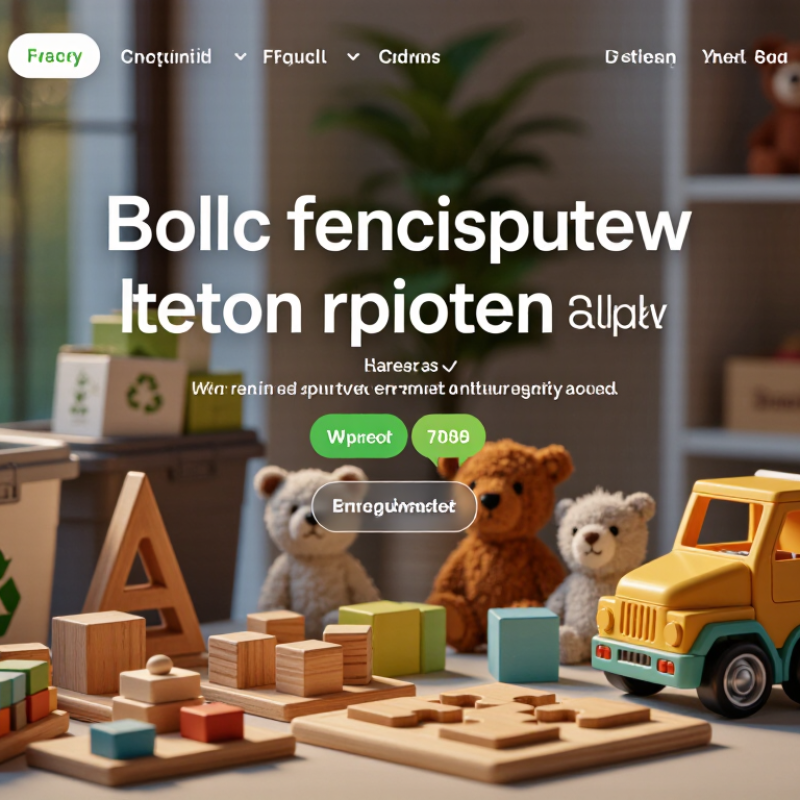
Why Do Parents Prefer Eco Friendly Toys 7 Tips?

What Makes a Toy Eco-Friendly? Materials, Safety, and Lifecycle Standards

Why Do Parents Prefer Eco-Friendly Toys? 7 Practical Tips

What Makes a Toy Eco-Friendly? Materials, Safety, and Lifecycle Standards

Eco-friendly toys begin with material choices, not green-colored packaging. I look for certified wood, recycled content, water-based coatings, and clearly disclosed ingredients. FSC standards can support responsible forestry, while recycled plastics may reduce demand for new resources. However, recycled material is not automatically safer or cleaner. The full supply chain still matters.

Plastics production reached about 400.3 million tonnes globally in 2022, according to Plastics Europe’s 2023 report.

Safety must remain non-negotiable. A toy should meet recognized requirements, such as EN 71, ASTM F963, or ISO 8124, depending on its market. Parents should check small-part warnings, sharp edges, loose components, and coating durability. Independent laboratory testing is more reliable than vague words like “natural” or “non-toxic.” Natural can still irritate skin. Labels are not proof by themselves.

Lifecycle performance shows whether a toy is genuinely responsible. The OECD reported that global plastic waste more than doubled from 2000 to 2019, reaching 353 million tonnes. Durable construction, replaceable parts, repair options, and second-hand suitability can reduce disposal. Packaging should use less material and avoid unnecessary plastic windows. End-of-life instructions also matter. Yet lifecycle claims often lack complete data, so parents should remain skeptical. A beautiful wooden toy may still travel thousands of miles, and that part is easy to overlook.

Why Sustainability Matters: 73% of Consumers Will Change Habits, NielsenIQ

NielsenIQ reports that 73% of consumers will change their habits for sustainability. This finding helps explain why many parents prefer eco-friendly toys. They are not only buying entertainment. They are considering waste, safety, and their children’s future. A durable wooden puzzle can survive years of play, while a disposable plastic toy may break within weeks. Small choices matter.

Check the material label before buying. Choose toys made with recycled, renewable, or responsibly sourced materials. Look for sturdy construction and repairable parts. Prefer simple packaging with less plastic and fewer layers. Confirm that paints and finishes meet recognized toy safety standards. Consider how the toy can be reused, donated, or recycled later. Buy fewer toys that encourage longer, more creative play.

A toy’s green appearance does not prove genuine sustainability. Some products use vague environmental claims without clear evidence. Parents should examine material details, safety information, and testing documentation. Independent certification can offer useful support, but labels still deserve careful reading.

Shipping distance and replacement frequency also affect environmental impact. An imported toy may have renewable materials but a large transport footprint. That complicates the decision.

There is no perfect purchase.

Families also have different budgets and needs. An affordable secondhand toy may be more sustainable than a new premium product. Regular cleaning, careful storage, and small repairs can extend its useful life. These practical habits often matter more than attractive eco-friendly wording.

Tip 1: Choose FSC, GOTS, or Recycled Materials with Verified Certifications

Parents often prefer eco-friendly toys because materials touch small hands, mouths, and bedroom floors every day. Safety matters, but environmental claims also need careful checking. A wooden toy may look natural, yet its paint, adhesive, or packaging can tell a different story. I have learned that attractive green labels are not enough. Certification evidence matters more than appearance.

Tip 1: Choose FSC, GOTS, or recycled materials with verified certifications.

FSC certification can support responsible forest management for wooden parts. GOTS certification covers organic fibers and strict processing requirements, not just cotton farming. Recycled-material claims should identify the recycled content and its supply-chain verification. Check the certificate number, issuing organization, product scope, and validity date. A logo without traceable details deserves caution.

Look closely.

Parents can also contact the seller when information seems incomplete. Ask whether the certificate covers the finished toy or only one material. This distinction is easy to miss. I once assumed a fabric label covered the entire product, but it applied only to the outer cloth. That mistake changed how I read packaging. Certification systems are helpful, yet they are not perfect substitutes for practical judgment. Washable surfaces, secure stitching, smooth edges, and clear age guidance still deserve attention. Fresh paint smell may not prove danger, but it should encourage further questions.

Tips 2–4: Prioritize Durability, Repairability, and Minimal Packaging Waste

Many parents begin with durability because a toy that survives daily play creates less waste. In my experience, sturdy wood, thick fabric, and well-finished natural rubber handle repeated drops better than thin plastic parts. Look closely at joints, stitching, and hinges before buying. A loose wheel can become a safety problem, not merely an inconvenience.

Repairability matters just as much. Choose toys with replaceable wheels, removable covers, or simple screws instead of sealed parts. Keep a small repair kit nearby: strong thread, child-safe adhesive, and a screwdriver can extend useful life. Do not repair cracked pieces that may create sharp edges or small detachable parts. Manufacturer instructions and recognized toy-safety guidance should always take priority. I have kept a favorite toy longer by repairing its fabric cover, but I have also delayed repairs too long. That mistake made the damage worse.

Packaging deserves equal attention. A large box around one small toy wastes cardboard, ink, and transport space. Prefer recyclable paper packaging with little plastic, and reuse boxes for storage or crafts. Still, minimal packaging is not automatically better if it leaves the toy unprotected or poorly labeled. Check age guidance, material details, and care instructions first. A practical choice balances a long play life with less packaging waste. Perfect low-waste shopping is difficult. Progress can be useful.

Tips 5–7: Reuse, Resell, and Recycle Toys to Extend Product Lifecycles

A toy does not need to be new to feel exciting. When children outgrow a puzzle or wooden truck, families can clean it, check its parts, and pass it to another child. I have found that a small repair often makes a toy useful again. Tighten loose screws, replace missing batteries, and remove sharp edges. Do not ignore damage. A cracked piece can create a safety risk.

Reselling toys can also extend their working lives and reduce unnecessary waste. Take clear photos, describe stains or missing parts honestly, and include the recommended age. Clean washable surfaces with mild soap, then dry them completely before listing. Some toys are difficult to sell. That is normal. Donating them to community centers, schools, or local charities may be more practical. However, check their acceptance rules first, because many organizations cannot take worn or incomplete items.

Recycling requires more care than placing a toy in a household bin. Separate batteries, fabric, metal, and different plastics when possible. Never place batteries in regular rubbish. Contact your local recycling facility to confirm which materials it accepts. Electronic toys may need a special collection point. Some mixed-material toys cannot be recycled easily, even when they look recyclable. I used to assume every plastic toy belonged in the recycling bin. That assumption was wrong. Reuse is often the better choice when the toy remains safe, clean, and enjoyable.

Tips 5–7: Reuse, Resell, and Recycle Toys to Extend Product Lifecycles

In 2018, the United States generated approximately 35.7 million U.S. tons of plastic waste. Only about 8.7% was recycled, while most was landfilled or sent to combustion facilities. Reusing toys, reselling them, and recycling suitable materials can help keep products in circulation and reduce disposal.

Data source: U.S. Environmental Protection Agency, “Facts and Figures about Materials, Wastes and Recycling,” 2018 plastics data. The figures represent all plastic waste, not toys specifically.

FAQS

Why do many parents choose eco-friendly toys?

A survey reports that 73% of consumers may change habits for sustainability. Parents consider waste, safety, and their children’s future. A durable puzzle can survive years, unlike a toy that breaks within weeks.

Which materials should parents look for?

Check labels for recycled, renewable, or responsibly sourced materials. Sturdy wood, thick fabric, and well-finished natural rubber can handle repeated drops. Material details matter more than green-looking colors.

How can I judge a toy’s durability?

Examine joints, stitching, hinges, and wheels before buying. Loose parts can become safety problems. Choose construction that tolerates daily handling, falls, and repeated use.

What makes a toy repairable?

Prefer replaceable wheels, removable covers, and simple screws. Keep strong thread, child-safe adhesive, and a screwdriver nearby. Small repairs can extend play life. Do not repair cracked pieces or sharp edges. I have waited too long before. That can worsen damage.

How should packaging affect my decision?

Prefer recyclable paper with little plastic and fewer layers. A huge box around one small toy wastes materials and transport space. Reuse sound boxes for storage or crafts. Minimal packaging still needs clear safety and care information.

How can parents verify environmental claims?

Read material details, safety information, and testing documents carefully. Independent certification may provide useful support. Vague green wording proves little. A renewable material may still involve long-distance shipping.

Is a new premium toy always more sustainable?

No. A secondhand toy may create less impact than a new expensive product. Budget and family needs matter. Clean, store, donate, reuse, or recycle toys when possible. There is no perfect purchase.

How can families reduce toy waste over time?

Buy fewer toys that support longer, more creative play. Clean them regularly and store them carefully. Repair safe damage before it spreads. Consider donation or recycling later. Sometimes, buying less works best.

Conclusion

Why do parents prefer eco friendly toys? Many parents are choosing them because they support children’s play while reducing environmental impact and promoting safer, more responsible purchasing habits. Eco-friendly toys are commonly made from renewable, recycled, or responsibly sourced materials, and they should meet reliable safety and sustainability standards throughout their lifecycle. With research showing that many consumers are willing to change their habits for environmental reasons, sustainable toys are becoming an increasingly meaningful choice for families.

Parents can make better decisions by selecting toys with verified material certifications, durable construction, and designs that can be repaired instead of quickly discarded. Minimal packaging also helps reduce unnecessary waste. After use, toys can be cleaned and passed on to younger children, resold, donated, or recycled when appropriate. These simple actions extend product lifecycles, conserve resources, and teach children the value of caring for their belongings and the environment.

Madeline

Madeline

Madeline is a dedicated marketing professional with a wealth of expertise in our company's core offerings. With a keen understanding of the industry, she brings a unique perspective to her role, consistently delivering high-quality content that highlights the superior aspects of our products. As......