As parents seek the best for their children, the question of "what age are educational wooden toys suitable for" often arises. Research indicates that early childhood learning is crucial. According to the National Association for the Education of Young Children, play-based learning enhances developmental skills in children as young as one year old. The durability and tactile nature of wooden toys cater to various age groups, from toddlers to preschoolers.
Wooden toys not only foster creativity but also support cognitive and motor skills. A report by the American Academy of Pediatrics highlights the importance of interactive play, particularly in early childhood. However, the age appropriateness of these toys can sometimes be unclear. For instance, a toy suitable for a three-year-old might pose risks to a younger child. Thus, understanding age-specific recommendations is vital for safety and developmental benefits.
In this article, we’ll explore the top ten educational wooden toys tailored for different age groups. This can guide parents in selecting toys that promote effective learning and growth, ensuring that children reap the benefits of engaging with quality materials.
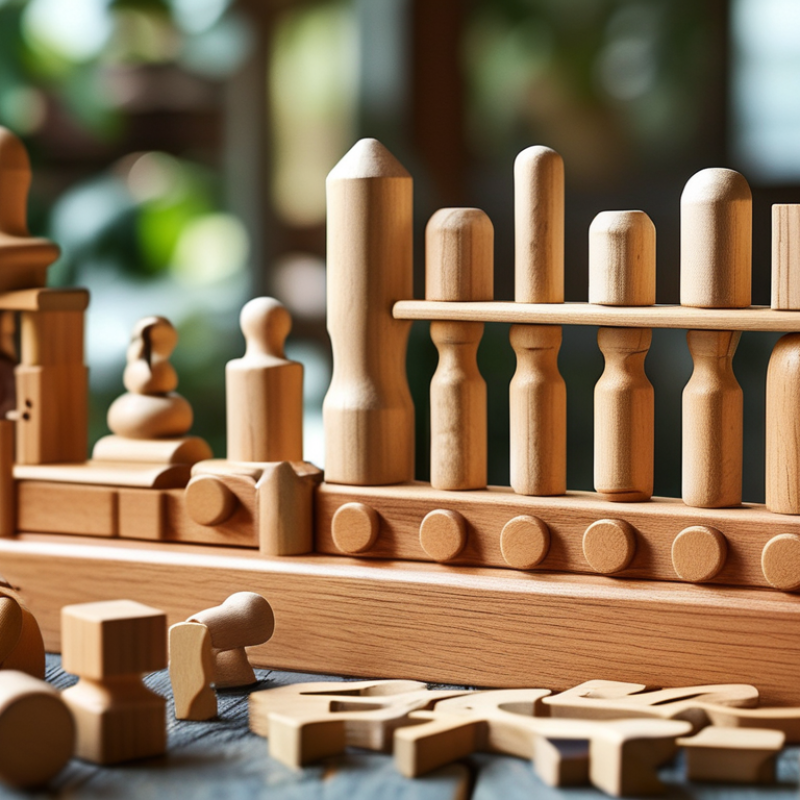
Educational wooden toys offer numerous benefits for children’s development. These toys foster creativity and imagination while promoting cognitive skills. According to a report by the American Academy of Pediatrics, hands-on play enhances a child's ability to solve problems. Engaging in play with these toys improves fine motor skills too. The tactile feedback from wooden materials can significantly aid in sensory development for younger children.
When selecting educational toys, look for age-appropriate options. Toddlers benefit from simpler shapes and colors. Options like stacking rings or shape sorters are ideal for this age group. For older children, consider puzzles or building blocks. These encourage critical thinking and spatial awareness. Research from the National Association for the Education of Young Children suggests that children who engage in creative play show improved academic performance later on.
Tips: Encourage open-ended play. This allows children to explore and create in their own way. Limit distractions during playtime to increase focus. Periodically reflect on how your child interacts with the toys. This helps you understand their preferences and developmental progress. Don't hesitate to adjust the toy selection based on your observations for enhanced learning experiences.
When choosing educational wooden toys, consider the developmental stage of your child. For infants, sensory toys are key. Simple wooden blocks with varied textures can engage their senses and encourage exploration. Such toys can stimulate visual and tactile development. Babies often put toys in their mouths, so safety is crucial. Ensure all materials are non-toxic and safe for teething.
As children grow into toddlers, their cognitive and motor skills develop rapidly. At this stage, more complex toys can support their learning. Puzzles with large pieces can promote problem-solving skills. Such toys challenge them while still being manageable. Balance and coordination become important too. Some toys can help toddlers practice these skills while playing, making learning fun.
However, it’s vital to strike a balance. Too many toys can lead to over-stimulation. Children may become frustrated if a toy is too advanced. Observe your child's interest and adjust accordingly. Engage with them during play to enhance their experience. Learning should be enjoyable, not a chore. Providing the right educational toys can foster creativity and curiosity while making playtime valuable.
When choosing educational wooden toys, parents should consider key features that enhance learning experiences. Firstly, toys should promote fine motor skills. According to a 2021 report by the American Association of Pediatrics, fine motor development is crucial for hand-eye coordination. Toys that require manipulation, such as puzzles or stacking blocks, can effectively support this growth.
Moreover, cognitive development is another essential aspect. Research from the National Educational Association highlights that toys encouraging problem-solving significantly boost children’s cognitive abilities. For instance, toys that involve sorting or matching colors and shapes stimulate critical thinking. Thus, parents should look for toys designed with these educational principles in mind.
Social play is also vital for emotional development. Toys that can be used in group settings encourage teamwork and communication among peers. A study published by the Child Development Journal emphasizes that cooperative play aids in building social skills. However, not all toys meet these criteria, leading to frustration for both children and parents. Reflecting on the balance between fun and educational value is key for effective toy selection.
When it comes to preschoolers, choosing toys that enhance learning is essential. Educational wooden toys are perfect for their development. These toys encourage creativity, fine motor skills, and problem-solving abilities. Kids can explore colors, shapes, and spatial relationships while playing. Many wooden toys provide tactile experiences, which are crucial at this age.
For example, building blocks can spark imagination and improve hand-eye coordination. Children can learn about balance and gravity by stacking different shapes. Another option is wooden puzzles, which help with cognitive skills. They encourage kids to recognize patterns and improve memory. However, some puzzles can be too challenging, leading to frustration. It’s important to find a balance in difficulty to maintain interest.
Role-playing toys, like kitchen sets or toolboxes, allow preschoolers to mimic adult tasks. This type of play fosters social skills and communication. Children engage in storytelling as they play together. Yet, these toys require supervision to avoid conflicts or misunderstandings. Observing how children interact with these toys can provide insights into their development. The key is to choose toys that match their interests and abilities.
Wooden toys are not just playthings. They are also tools for learning. Engaging activities can transform ordinary play into educational experiences. For instance, toddlers can explore shapes and colors using blocks. These activities enhance their cognitive skills and ignite creativity. Parents can guide their children by asking questions. “What color is this block?” or “Can you stack them higher?” Such interactions stimulate critical thinking.
As children grow, wooden toys can adapt to their learning needs. For preschoolers, puzzles encourage problem-solving skills. Encourage them to fit pieces together while discussing shapes. This helps develop hand-eye coordination and fosters persistence. It can be frustrating when a piece does not fit. Acknowledge that feeling and encourage them to keep trying. Mistakes become crucial learning moments.
For older kids, building kits promote engineering concepts. Engage them by setting challenges, like constructing a bridge that holds weight. This can spark interest in science or technology. As they experiment, they might face setbacks. Encourage a mindset of resilience. Reflecting on failures teaches valuable lessons about perseverance and innovation.
: They foster creativity, imagination, and cognitive skills, improving problem-solving abilities.
Tactile feedback from wooden materials aids sensory development, especially for younger children.
Simple shapes like stacking rings and shape sorters are ideal for toddlers.
Allow children to explore and create without rigid rules during playtime.
Sensory toys with varied textures are important for infants. Ensure they are safe and non-toxic.
Watch your child's interest and abilities. Adjust toy difficulty to avoid frustration and promote engagement.
Building blocks and wooden puzzles enhance creativity, problem-solving, and cognitive skills.
Engaging with children enhances their experience and supports learning.
Reflect on their interactions with toys regularly to understand preferences and growth.
Consider switching to a simpler option or play together to ease their experience.
Educational wooden toys are an excellent choice for supporting child development, offering a blend of durability and learning opportunities. These toys promote cognitive, motor, and sensory skills, making them suitable for various age groups. When considering what age educational wooden toys are suitable for, it's essential to recognize that different toys cater to infants, toddlers, and preschoolers, each designed to match their developmental milestones and interests.
In selecting toys, key features such as safety, versatility, and educational value come into play. For preschoolers, the top 10 recommended wooden toys include those that facilitate imaginative play, problem-solving, and collaborative activities. Engaging with these toys can enhance learning experiences, providing plenty of opportunities for children to explore, create, and grow through play. Overall, educational wooden toys are a timeless investment in a child's early education, fostering essential skills that will benefit them for years to come.

Fyre Toys