When selecting educational toys, parents should prioritize quality and developmental value. According to a report by the American Association for Toy Safety, 80% of parents believe toys significantly influence child development. However, in a market flooded with options, discerning the right choices can be challenging.
Experts like Dr. Laura Jana, a pediatrician and author, emphasize the need for careful selection. She notes, “What should parents look for when buying educational toys? Focus on open-ended play and skill-building.” This advice highlights the importance of toys that foster creativity and cognitive growth. Parents need to consider age appropriateness, safety standards, and the toy's potential for engaging multiple senses.
Moreover, it's essential to reflect on how toys align with a child's interests. Not all toys are beneficial, and some may induce frustration or disengagement. Striking a balance between fun and educational value is crucial. The right choices could enhance learning while ensuring safety and enjoyment. Ultimately, understanding these factors leads to more informed and effective decisions for children's playtime experiences.
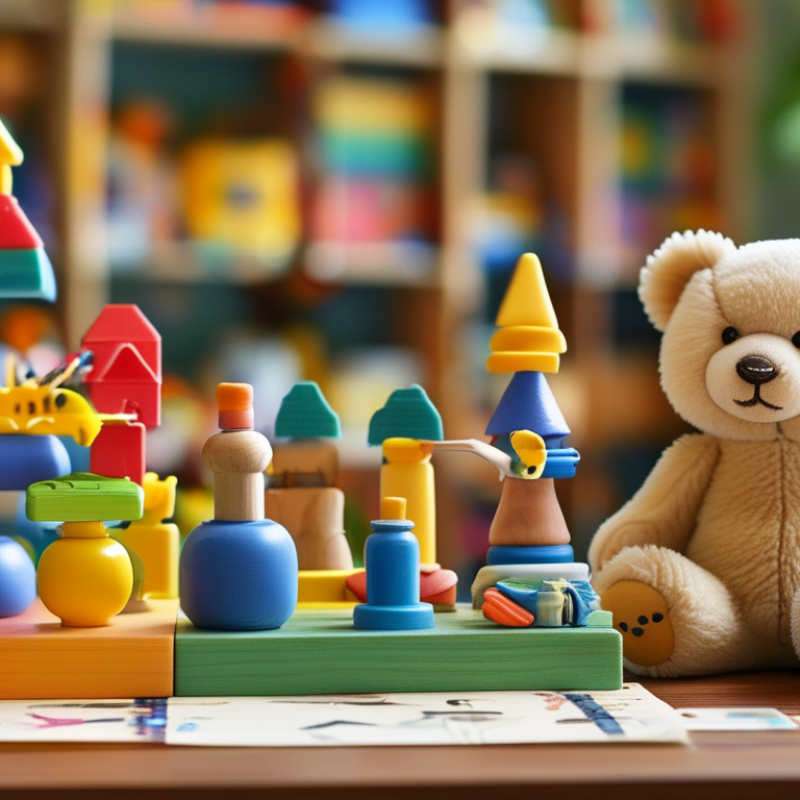
Educational toys play a crucial role in child development. According to a report by the American Academy of Pediatrics, these toys enhance cognitive and social abilities. Playing with educational toys helps children learn problem-solving skills. They also boost creativity and encourage teamwork among peers. A study indicates that 85% of childhood brain development occurs before age three. Choosing the right toys can be vital during these formative years.
Parents often wonder which toys are best suited for enhancing learning. Factors such as age appropriateness and developmental stage matter. For instance, toys that promote STEM learning can inspire interest in science and technology. Vibrant colors and interactive elements keep children engaged longer. However, not all toys fulfill these requirements. Some may overstimulate or lack educational value, leading to frustration rather than learning. Awareness of these pitfalls is essential for making informed decisions.
Engaging children with the right educational toys requires thoughtful consideration. It’s not just about fun; it’s about encouraging growth. Research from the Market Research Future group shows that parents increasingly prioritize educational benefits in toy selection. Striking a balance between playtime and learning is key. While some toys can be beneficial, others may not contribute positively. Understanding this distinction is part of responsible parenting.
| Toy Name | Age Group | Learning Focus | Benefits | Material |
|---|---|---|---|---|
| Building Blocks | 3+ | Spatial Awareness | Enhances creativity and fine motor skills | Wood/plastic |
| Puzzle Games | 4+ | Problem Solving | Develops critical thinking and patience | Cardboard/wood |
| Art Supplies | 3+ | Creativity | Encourages self-expression and motor skills | Non-toxic materials |
| STEM Kits | 5+ | Science & Math | Fosters interest in STEM fields | Plastic/metal |
| Musical Instruments | 2+ | Music & Rhythm | Enhances auditory skills and coordination | Wood/plastic |
| Role Play Sets | 3+ | Social Skills | Promotes imagination and communication | Various materials |
| Memory Games | 4+ | Memory & Recall | Strengthens memory skills | Cardboard/wood |
| Balance Bikes | 2+ | Physical Skills | Builds coordination and balance | Metal/plastic |
| Nature Exploration Kits | 5+ | Science & Nature | Encourages outdoor activities and curiosity | Plastic/metal |
| Math Manipulatives | 4+ | Math Skills | Enhances understanding of mathematical concepts | Plastic/wood |
: Educational toys enhance cognitive and social abilities. They promote problem-solving skills and boost creativity.
Consider age appropriateness and developmental stage. Toys should encourage creativity and critical thinking.
Look for toys that promote STEM concepts. Interactive components and vibrant colors keep children engaged.
Yes, some toys may overstimulate or lack educational value. Be aware of potential frustration.
Toys that encourage cooperative play can enhance empathy and communication among children.
Absolutely. Ensure toys are made from non-toxic materials and are safe for your child’s age.
Choose toys that stimulate imagination while being enjoyable. Variety in activities supports different learning styles.
Observe your child's reactions to toys. This can guide you in making better, more informed choices.
Yes, look for toys designed with multiple functions. They should evolve along with your child's development.
Invest in quality toys that offer lasting educational value. Regularly assess what works best for your child's needs.
When selecting educational toys for their children, parents should prioritize understanding their importance for child development. These toys can enhance cognitive skills, creativity, and social interaction. What should parents look for when buying educational toys includes factors such as age appropriateness, educational value, and safety standards. Parents should evaluate the features and benefits of each toy, ensuring they align with their child's interests and developmental needs.
Additionally, safety standards and regulations in China are crucial considerations to protect children's well-being. Balancing fun and learning is key; parents should aim to select toys that engage their children while promoting educational growth. A thoughtful approach to choosing educational toys can significantly enrich a child’s play experience and contribute to their overall learning journey.

 Fyre Toys