When exploring what materials are used in educational wooden toys, understanding the type of wood involved is crucial. Experts emphasize that safety and quality are paramount. Dr. Maria Johnson, a specialist in child development and toy safety, states, “The right materials can enhance learning and ensure children's safety.”
The primary materials include hardwoods such as maple and birch. These woods are durable and safe for children. They withstand wear and tear, making them ideal for toys. Furthermore, non-toxic paints and glues are often used. Parents should look for certifications like ASTM and EN71 to ensure compliance with safety standards.
While wooden toys are eco-friendly, sourcing practices can vary. Not all manufacturers prioritize sustainability. Consumers should ask questions about the supply chain. This awareness can help promote responsible production. Understanding what materials are used in educational wooden toys ensures they are safe and beneficial for children’s growth. Reflecting on these aspects is essential for informed purchasing decisions.
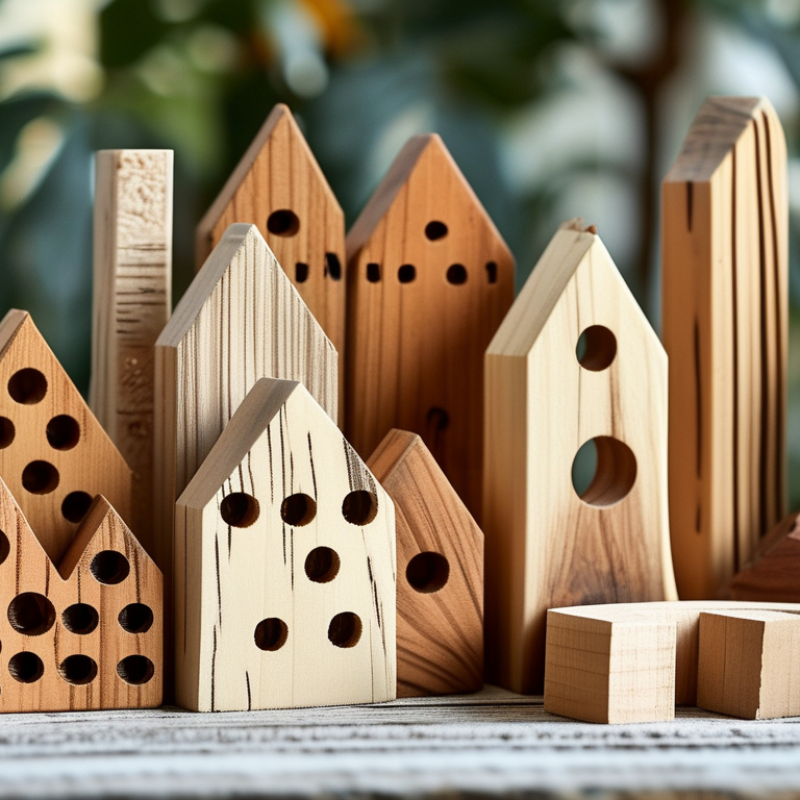
When it comes to educational wooden toys, choosing the right type of wood is crucial. Various woods are favored for their durability, safety, and aesthetic properties. Common choices include birch, maple, and beech. Birch is strong yet lightweight, making it ideal for sturdy toys. Maple boasts a fine grain and is known for its resilience, perfect for long-lasting items. Beech, a warm-toned wood, is also popular; it's firm and able to withstand rough play.
Beyond these popular options, other woods lend unique qualities. Pine, for example, is softer but can be made safe with appropriate finishes. Oak is another option, offering impressive durability and a distinctive texture. These woods not only look appealing but can also be polished to enhance their natural beauty.
However, each type of wood has its drawbacks. Softer woods might dent easily, while harder woods require more finishing work. Some parents worry about chemical treatments on certain woods. Choosing the right wood requires careful consideration. It's important to weigh aesthetics against durability and safety. Exploring these factors ensures that wooden toys are both educational and enjoyable for children.
| Type of Wood | Characteristics | Common Uses |
|---|---|---|
| Maple | Durable, light-colored, fine grain | Puzzles, blocks, playsets |
| Birch | Strong, pale wood, smooth texture | Educational toys, furniture, crafts |
| Pine | Softwood, lightweight, inexpensive | Toy cars, simple structures, decorative toys |
| Beech | Hard, strong, resistant to wear | Construction toys, rolling pins, educational tools |
| Oak | Heavy, durable, distinct grain pattern | Crafts, toy furniture, outdoor toys |
| Cedar | Natural resistance to moisture and pests, aromatic | Outdoor toys, garden sets, storage boxes |
: Non-toxic finishes reduce harmful chemical exposure. Children's sensitivity makes this choice essential for safety.
Water-based varnishes and natural oils like linseed or tung oil are commonly used for safety.
Look for certifications such as EN71 or ASTM. These seals indicate safe, quality materials.
Sustainable sourcing involves using renewable materials, reducing environmental impact and supporting responsible forestry.
Reclaimed wood helps reduce deforestation. Each piece has unique textures, adding character to toys.
Not all reclaimed wood is free from harmful chemicals. Ensure safety certifications are verified before purchasing.
Bamboo grows quickly and can be harvested sustainably. It provides an eco-friendly alternative to traditional woods.
Transparency can be lacking. It's important to verify the sustainability claims to ensure responsible sourcing.
Check the packaging for age recommendations. Not all finishes are suitable for infants, so be cautious.
Inquire about the types of finishes used and their safety standards. This can provide valuable peace of mind.
The article titled "What Materials Are Used in Educational Wooden Toys?" explores the essential components that contribute to the development of safe and enriching wooden toys for children. It discusses various types of wood commonly utilized, such as maple and bamboo, which are favored for their durability and safety. Additionally, the article emphasizes the importance of non-toxic finishes and coatings that ensure child safety, alongside sustainable sourcing practices that promote eco-friendly production methods.
Further, the article outlines additional materials that may be incorporated, such as textiles and metals, enhancing the functionality and appeal of the toys. Finally, it highlights the quality standards and safety regulations that govern the manufacturing of educational wooden toys, ensuring they meet necessary criteria for children’s use. Overall, understanding what materials are used in educational wooden toys is crucial for parents and manufacturers aiming to provide safe, sustainable, and educational play experiences.

 Fyre Toys