The influence of educational wooden toys on child development is profound and multifaceted. Renowned child psychologist Dr. Emily Johnson states, “Engaging with wooden toys fosters creativity and critical thinking in young children.” This statement underscores the importance of hands-on play in early childhood learning.
Educational wooden toys are not just simple playthings; they bridge the gap between fun and learning. These toys encourage imaginative play and problem-solving skills. When children manipulate shapes, colors, and textures, they enhance their cognitive abilities. The tactile experience of wooden toys offers sensory feedback that plastic alternatives cannot match.
Despite the growing trend toward digital toys, the benefits of traditional wooden toys remain essential. Parent and educator observations often reveal that children exhibit longer attention spans and deeper engagement with wooden toys. However, it's crucial to choose toys that are developmentally appropriate. Not all wooden toys are created equal; some may lack educational value. Thus, careful selection is necessary to truly understand how do educational wooden toys benefit child development.
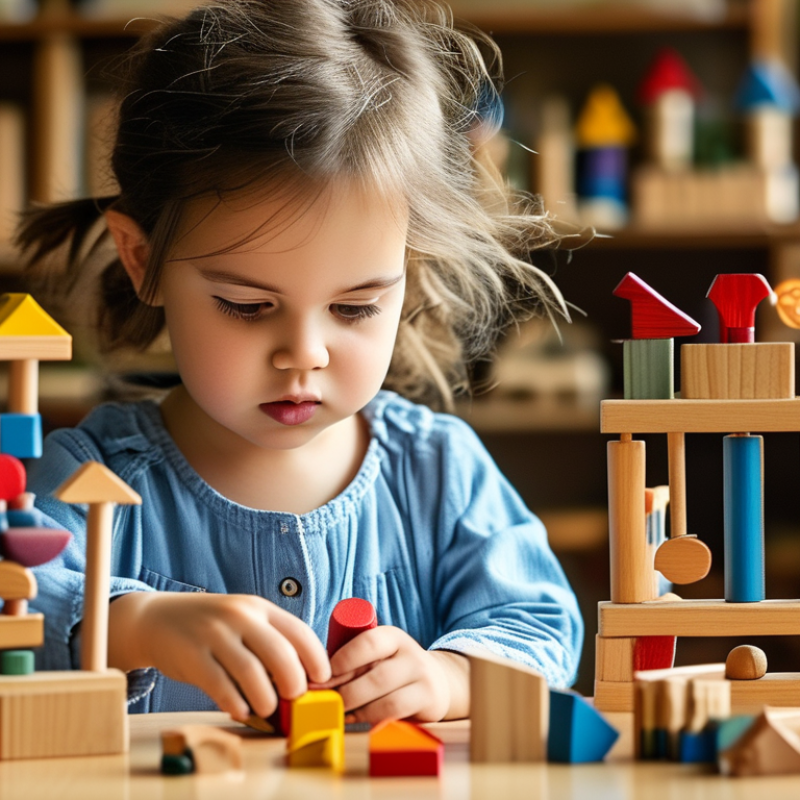
Educational wooden toys serve as powerful tools for sensory stimulation, crucial for child development. These toys engage multiple senses, allowing children to explore textures, shapes, and colors. A smooth wooden block, for instance, feels different from a rough one. This tactile experience aids in honing fine motor skills and encourages creativity.
Tip: When selecting toys, look for those with various textures. The more sensory experiences you introduce, the more opportunities for learning arise.
Sounds also play a role in these toys. Some wooden toys incorporate bells or chimes, producing delightful sounds. This auditory stimulation can aid in language development. Children instinctively pay attention to beautiful sounds, enhancing their listening skills and cognitive abilities.
Tip: Encourage your child to create their own sounds using wooden toys. This not only makes playtime fun but also fosters imagination.
However, not every child might respond positively to these toys. Some may find them less engaging than digital alternatives. It's important to rotate toys regularly to maintain interest. Reflecting on what captures your child's attention is key. Understanding their preferences can lead to better choices in future toy selections.
: Wooden toys provide problem-solving challenges. Children learn by exploring, experimenting, and developing strategies through play.
Shape-sorting toys teach children about fitting shapes together. They experience trial and error, fostering perseverance and critical thinking.
Cooperative play encourages communication and teamwork. It helps children share ideas and enhances their social skills significantly.
Parents can invite friends or siblings for play. Creating team challenges can enhance cooperation and teamwork experience.
Natural materials in toys spark imagination and creativity. Children engage their senses, leading to enhanced problem-solving skills.
No, some wooden toys have rigid designs. Parents should choose those that encourage open-ended play to boost creativity.
Mistakes are natural. Encourage discussions about feelings to guide future social interactions and improve sharing skills.
Frustration in problem-solving teaches adaptation. Children reflect on their experiences, contributing to cognitive growth.
Yes, independent play allows a child to explore at their own pace. This approach cultivates unique cognitive pathways.
Parents should look for toys that promote exploration, creativity, and open-ended play to support overall development.
Educational wooden toys play a significant role in enhancing child development through various avenues. Firstly, they provide sensory stimulation, which is crucial for young learners as it helps improve their cognitive and physical responses. Problem-solving activities with these toys stimulate cognitive development, encouraging children to think critically and creatively as they navigate challenges. Furthermore, wooden toys promote social skills through cooperative play, allowing children to interact, communicate, and share experiences with peers.
Additionally, the use of interactive wooden toys fosters motor skill development and coordination, as children manipulate and engage with different shapes and structures. The natural materials used in these toys also inspire creativity and imagination, providing an open-ended approach for children to explore their ideas freely. Overall, understanding how do educational wooden toys benefit child development reveals their multifaceted impact on nurturing essential skills and fostering a well-rounded growth environment.

 Fyre Toys