Choosing the right toys is essential for a child's growth. Open-ended toys play a crucial role in this process. They encourage creativity and imagination, allowing children to explore their ideas freely. When we ask, "why are open ended toys important for child development," the answers become evident. These toys promote problem-solving skills and the ability to think outside the box. Children learn to express themselves through various forms of play.
Open-ended toys can take many forms. They include building blocks, art supplies, and even everyday household items. Each offers endless possibilities for play. This versatility helps children develop cognitive and social skills as they interact with others. However, choosing the right toys can be overwhelming. Parents often face challenges in identifying which toys will truly benefit their child's development.
It's vital to understand that not all toys are created equal. Some toys are too structured, limiting imagination. Others may not engage a child's interest, leading to frustration. Reflecting on past choices can help parents make informed decisions in the future. Open-ended toys encourage curiosity and resilience, essential traits for lifelong learning. By focusing on these aspects, parents can foster an environment conducive to growth and development.
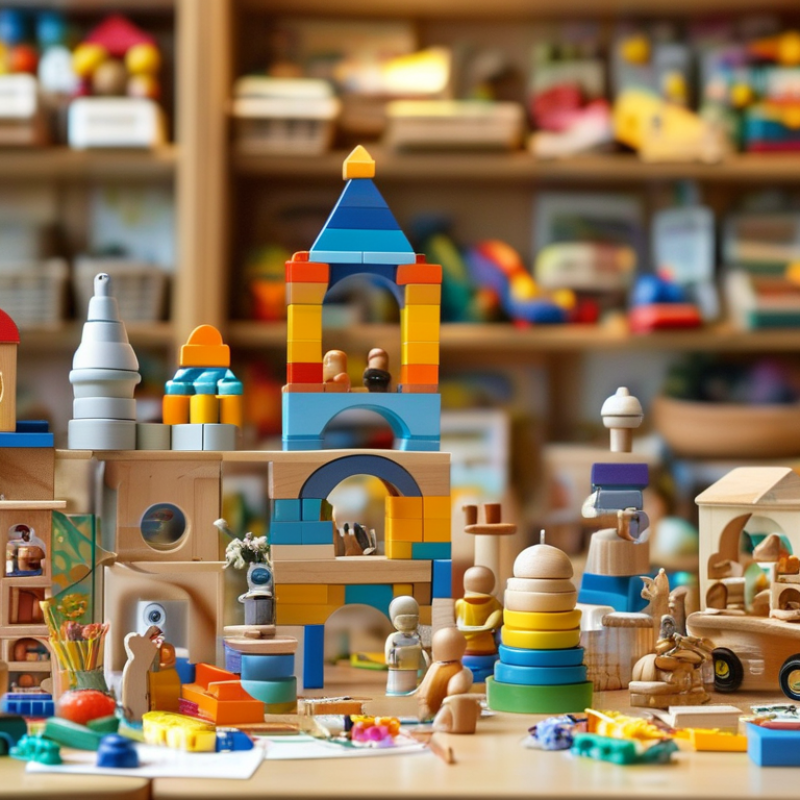
Open-ended toys are essential for fostering a child’s development. These toys encourage creativity, problem-solving, and social skills. According to the American Academy of Pediatrics, play is critical for children's cognitive development. Open-ended toys offer children the freedom to explore various ways of using them, which enhances imaginative thinking.
Research from the International Society for Technology in Education highlights how open-ended play improves fine motor skills. Children engage with these toys at their own pace, allowing for personalized learning experiences. This autonomy helps build confidence, as kids see their ideas come to life, even if it takes several attempts. However, not all children respond equally to these toys. Some may feel overwhelmed by too many options.
Additionally, the benefits extend to emotional development. Engaging with others in cooperative play with open-ended toys boosts communication skills. A study revealed that children who played together with these types of toys showed a 30% increase in collaborative skills compared to traditional toys. Yet, it’s important to consider that not every child will thrive equally in this environment. Balancing open-ended play with structured activities can cater to varied developmental needs.
: Open-ended toys allow children to use their imagination freely. They can be used in various ways.
They enhance creativity, problem-solving, and social skills. Children learn at their own pace.
Not all children do. Some might feel overwhelmed by too many options available.
Focus on safety, versatility, and age-appropriateness. Ensure the toy can be used in multiple ways.
It boosts communication skills and increases collaborative play. Children who share these toys develop faster.
Yes, small parts may pose choking hazards. Always choose toys suitable for your child's age and abilities.
Let your child lead play. Encourage them to share their thoughts and refine future toy choices.
Offer some guidance, but avoid overstucturing. Balance is key to fostering creativity.
Soft blocks and textured rattles are great. They stimulate sensory exploration without overwhelming.
Needs evolve; toddlers enjoy stacking, while preschoolers engage in imaginative role-play. Adjust toy choices accordingly.
Open-ended toys are essential for child development as they provide children with the freedom to explore, create, and learn through play. These toys encourage imaginative thinking and problem-solving skills, allowing children to engage in activities that can be tailored to their interests and developmental stages. Understanding the key features of open-ended toys, such as versatility and safety, is crucial for making the right choices for young learners.
When selecting open-ended toys, it's important to consider age appropriateness and how these toys can be incorporated into everyday playtime. By matching toys to a child's developmental stage, caregivers can create enriching environments that foster creativity and imagination. Additionally, encouraging children to use open-ended toys in various ways not only enhances their play experience but also supports their cognitive and emotional growth. In summary, the question of "why are open-ended toys important for child development" is answered through their multifaceted benefits that nurture creativity and adaptive thinking in children.

 Fyre Toys