Educational wooden toys have been gaining traction in China, capturing the attention of parents and educators alike. According to the Toy Association's 2022 Global Market Report, there was a 25% increase in the sales of educational toys, particularly wooden varieties. This trend reflects a growing awareness of the importance of hands-on learning experiences for children.
"What are educational wooden toys used for?" is a question frequently posed by concerned parents. Dr. Jessica Lim, a child development expert, stated, “These toys encourage creativity and problem-solving skills in young children.” Such toys can enhance fine motor skills, promote cognitive development, and facilitate social interaction during playtime.
Despite these benefits, not all wooden toys are created equal. Some may lack safety certifications or be crafted from unsustainable materials. Parents should conduct thorough research, understanding what makes a toy truly educational. Choosing the right toys for children can be a daunting task, but prioritizing quality and safety is crucial. The market offers options that stimulate learning while ensuring children’s safety and enjoyment.
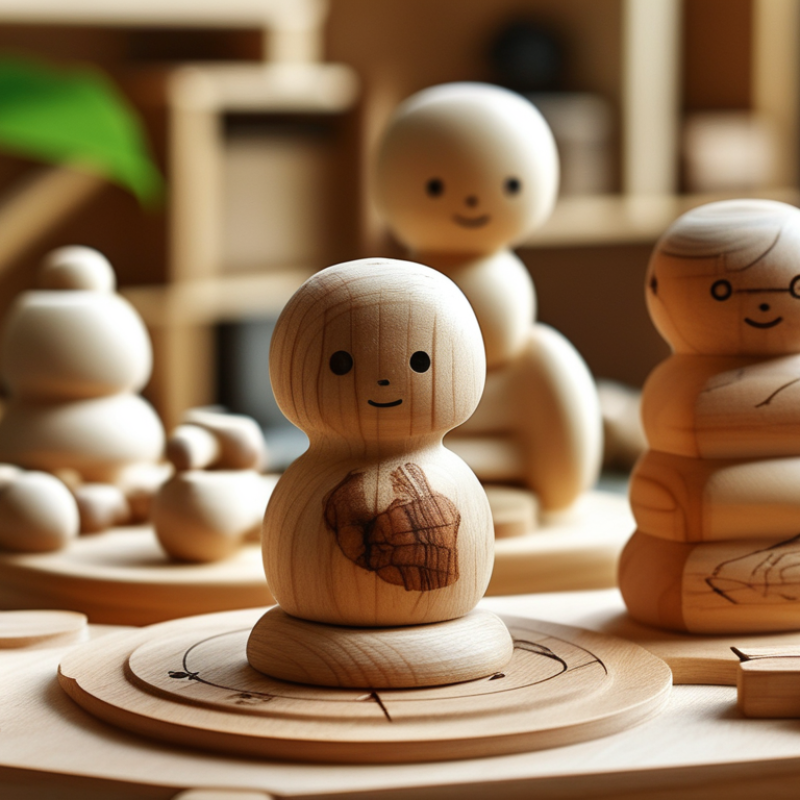
Educational wooden toys have gained popularity in China. These toys are crafted from natural materials, ensuring safety for children. They encourage creativity and imagination while providing an enriching learning experience.
One significant advantage is their versatility. For instance, stacking toys help develop fine motor skills and hand-eye coordination. Puzzles enhance problem-solving abilities. These toys are more than just playthings; they are tools that nurture cognitive growth.
**Tip:** When selecting wooden toys, check for non-toxic finishes. Ensure the toys are age-appropriate to maximize learning benefits. Parents should be involved in play. Participating fosters stronger bonds and enhances the educational value. Despite their benefits, some toys may lack durability, requiring careful selection to avoid waste.
When choosing educational wooden toys, parents focus on key features that promote development. Research shows that wooden toys enhance cognitive and motor skills in children. A report from the American Academy of Pediatrics highlights that tactile play aids brain development. Therefore, selecting toys made from high-quality, durable wood is essential.
These toys often encourage creativity and problem-solving. For instance, building blocks allow children to explore engineering concepts while enhancing spatial awareness. The texture and warmth of wood stimulate a child's senses, making playtime more engaging. Choose toys without sharp edges or toxic finishes to ensure safety during play.
Tips: Look for toys that align with your child's interests. Engaging with toys can enhance learning experiences. Also, consider varying the types of toys to cover different developmental aspects. While there are many appealing options, it’s crucial to prioritize quality over quantity. A few well-made toys can be more beneficial than numerous mediocre ones. Remember, play should be a joyous and enriching experience for all children.
| Toy Name | Age Group | Key Features | Educational Benefits |
|---|---|---|---|
| Wooden Building Blocks | 2+ | Variety of shapes and colors, safe finishes | Enhances creativity, fine motor skills |
| Shape Sorting Cube | 1+ | Colorful shapes, easy to grip | Improves shape recognition, cognitive skills |
| Knob Puzzles | 1+ | Large knobs for easy handling, vibrant images | Enhances problem-solving, hand-eye coordination |
| Alphabet Blocks | 3+ | Letters on each block, durable wood | Promotes literacy, language skills |
| Counting Sticks | 3+ | Colored sticks for counting | Teaches numbers, basic arithmetic |
| Musical Instruments Set | 2+ | Includes tambourine, maracas, and xylophone | Boosts auditory skills, introduces rhythm |
| Balance Board | 3+ | Sturdy wooden design | Improves balance, physical coordination |
| Play Food Set | 3+ | Variety of wooden food items | Encourages imaginative play, social skills |
| Train Set | 3+ | Tracks and train pieces, easy assembly | Enhances spatial awareness, planning skills |
Educational wooden toys have gained popularity due to their benefits for children's development. They encourage creativity, problem-solving, and fine motor skills. For instance, building blocks allow kids to explore spatial reasoning and engineering concepts. Children learn by constructing various structures, which boosts their imagination.
Another popular type is shape sorters. These toys help kids recognize different shapes and colors. They also support hand-eye coordination as children match shapes with corresponding holes. This activity can be both fun and frustrating, prompting reflection on their learning process.
Puzzles are also essential educational toys. They promote cognitive development and enhance memory. As children solve puzzles, they learn about patterns and develop patience. The challenges can sometimes lead to feelings of frustration, yet these moments foster resilience. Through playing, children experience trial and error, a critical part of their learning journey.
When considering wooden toys for children, safety standards play a vital role. Many parents prefer these toys due to their natural materials. However, not all wooden toys meet the safety requirements set by various authorities. Ensuring that toys are made from non-toxic finishes is crucial. Look for certifications that indicate compliance with safety regulations, such as those governing durable and safe materials.
In addition, parents should be aware of potential hazards. Even wooden toys can have small parts that may pose a choking risk. Regularly inspect these toys for wear and tear. Edges should be smooth to prevent splinters or cuts. Despite the charm of handmade toys, they may lack standardized safety testing. It’s essential to balance aesthetics with safety, ensuring children have a playful yet safe experience.
Choosing the right educational wooden toy for your child can feel overwhelming. A recent industry report indicated that 65% of parents consider educational value the top priority when selecting toys. Quality wooden toys can enhance motor skills, problem-solving abilities, and creativity, making them a valuable investment.
When selecting a toy, consider your child's age and interests. For toddlers, simple stacking toys or shape sorters can improve hand-eye coordination. In contrast, older children may enjoy puzzles or building sets that foster critical thinking. Make sure the materials are safe and free from harmful chemicals.
Research shows that children who engage in imaginative play are more adaptable and better at social interactions. Here are some tips for making the right choice:
Engaging in these discussions can lead to more mindful purchases and enjoyment.
: Educational wooden toys aid children's development through play. They boost creativity, problem-solving, and motor skills.
Building blocks promote spatial reasoning. Kids explore engineering concepts and enhance their imagination while constructing structures.
Shape sorters help children recognize shapes and colors. They also improve hand-eye coordination through matching activities.
Puzzles enhance cognitive skills and memory. Solving them teaches patterns and patience, despite challenges leading to frustration.
Parents should ensure toys comply with safety regulations. Non-toxic finishes and durability are critical for child safety.
Handmade toys may lack standardized testing. They can be charming but could pose safety risks. Regular inspections are essential.
Educational wooden toys are gaining popularity in China due to their ability to promote learning through play. These toys often engage children in various developmental areas, including cognitive skills, motor skills, and social interaction. Parents are increasingly interested in what educational wooden toys are used for, as they provide a hands-on experience that enhances creativity and problem-solving abilities.
Key features of these toys often include durability, sustainability, and safety. Popular types range from building blocks to shape sorters, each designed to cater to different age groups and learning objectives. When choosing the right educational wooden toy for a child, it's crucial to consider safety standards, ensuring that the toy is age-appropriate and free from hazardous materials. Overall, educational wooden toys serve as an effective tool for fostering a child's growth while being entertaining and engaging.

Fyre Toys