When choosing toys for children, safety is a top priority. Wooden toys, often seen as a classic choice, require careful selection. According to Dr. Emily Carter, a child development expert, "Safe wooden toys provide not only entertainment but also promote healthy development." This insight highlights the importance of making informed decisions.
Understanding how to select safe wooden toys for children involves examining various factors. Parents should look for non-toxic finishes, smooth edges, and sturdy construction. These elements prevent potential injuries and chemical exposure. Additionally, check for certifications that ensure safety standards.
Visual appeal matters too. Bright colors and engaging shapes attract children's attention. However, parents must prioritize safety over aesthetics. Kids may be drawn to eye-catching toys, but if they are unsafe, the risks outweigh the benefits. Carefully consider each option to find the right balance between fun and safety.
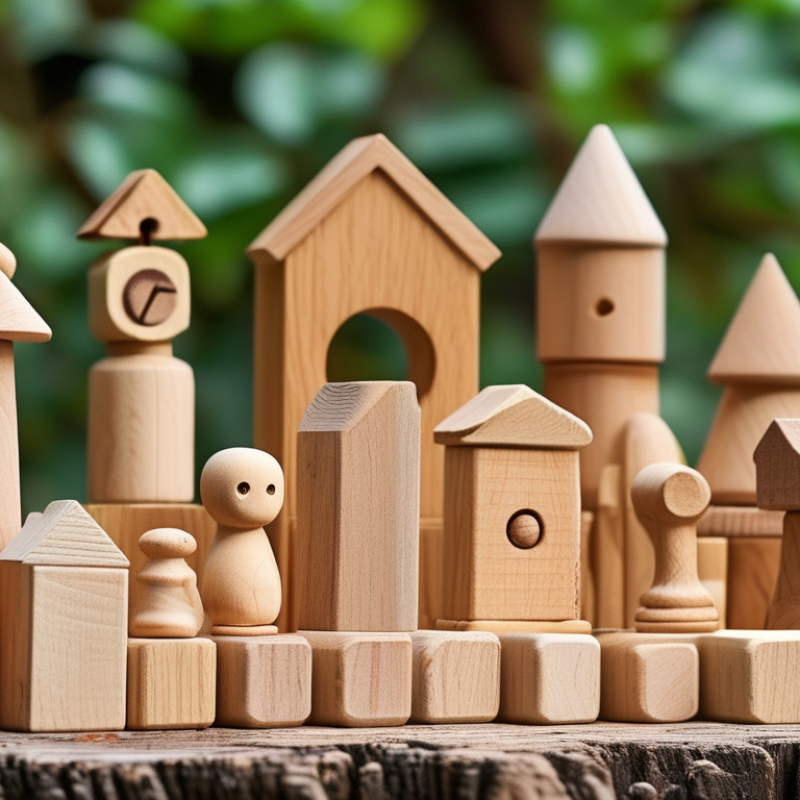
When selecting wooden toys for children, it's crucial to understand safety standards. These standards ensure that the toys are free from harmful chemicals and are built to last. Look for toys made from solid, chemical-free wood that has been properly treated and finished. Children often explore with their mouths, so materials should be non-toxic and safe for all ages.
Another essential aspect is size. Toys must not have small parts that could pose choking hazards. Accurate labeling and age recommendations indicate if a toy is age-appropriate. Some wooden toys have sharp edges or splinters, which can be dangerous. Inspect each toy carefully before allowing your child to play with it. You should also consider the design; toys should encourage creativity and imaginative play. Reflect on whether the toy promotes safe interaction and engagement, avoiding those solely designed for passive use.
When selecting wooden toys for children, the type of finishes and paints used is crucial. Non-toxic options ensure safety during play. Many products claim to be safe, yet it's essential to scrutinize labels. Check for certifications indicating that finishes are free from harmful chemicals.
Some paints contain substances like lead or heavy metals, which can harm children. Look for water-based paints, as they tend to be safer. These paints often have lower VOCs (volatile organic compounds), reducing harmful emissions. However, not all water-based paints are equal. Parents should research and seek out those with stringent safety standards.
It's also important to consider how wood is treated. Some finishes, designed to resist wear and tear, may contain toxins. Opt for natural oils or waxes as alternatives. These materials not only provide a safe barrier but also enhance the wood's beauty. Parents should remain vigilant and informed. Regularly checking for product recalls or safety warnings keeps playtime safe and enjoyable.
| Tip Number | Tip Description | Recommended Material | Non-Toxic Finishes |
|---|---|---|---|
| 1 | Choose solid wood over composite materials. | Maple, Oak, Birch | Natural oils, Beeswax |
| 2 | Ensure the wood is free from harmful chemicals. | Pine, Cedar, Teak | Varnish, Shellac |
| 3 | Opt for water-based paints or finishes. | Bamboo, Beech | Water-based acrylics |
| 4 | Check for age-appropriate sizing to avoid choking hazards. | Ash, Cherry, Basswood | Plant-based oils |
| 5 | Avoid toys with removable small parts. | Walnut, Mahogany | Non-toxic sealants |
| 6 | Look for certifications (e.g., CE, ASTM). | Reclaimed wood | Natural wax |
| 7 | Inspect for rough edges or splinters. | Sustainable wood species | Soy-based finishes |
| 8 | Research the manufacturer's safety standards. | Poplar, Fir | Eco-friendly paints |
| 9 | Select toys that promote open-ended play. | Cypress, Larch | Natural finishes |
| 10 | Avoid toys with loud noises that can harm hearing. | Mahogany, Beech | Non-toxic stains |
When evaluating the design and construction quality of wooden toys, safety should be your top priority. Look closely at the materials used. High-quality wood should feel smooth and free from splinters. Sharp edges can lead to injuries. Test the joints and connections. Toys that are well-constructed should remain sturdy during play. If a toy feels flimsy, it might break easily.
Examine the paint and finishes as well. Non-toxic, lead-free options are essential for children’s toys. Watch for any signs of chipping or peeling paint. Such wear can expose harmful materials underneath. Additionally, check the toy's weight. Hefty toys may pose a risk if they fall. Lightweight options reduce the chance of injury during playtime.
Consider the toy’s design as well. Engaging shapes and colors can spark creativity. However, overly complex designs may frustrate young children. Toys should not have small parts that pose choking hazards. Simplicity often leads to deeper, more imaginative play. In this pursuit of quality, don’t overlook your instincts as a parent. If something feels off about a toy, it's worth further investigation.
When selecting wooden toys for children, age appropriateness plays a crucial role. Research indicates that toys tailored to a child's developmental stage can significantly enhance skill acquisition. For example, toddlers benefit from toys that promote hand-eye coordination and fine motor skills, such as simple stacking blocks or shape sorters. According to a report from the American Academy of Pediatrics, engaging in play that challenges their abilities is essential for cognitive development.
Choosing the right wooden toys promotes not just fun but learning. For preschool-aged children, toys with varied textures and functionalities support sensory exploration. A study from the National Association for the Education of Young Children highlights that imaginative play, often facilitated by open-ended toys, fosters creativity. However, some parents may overlook safety certifications. Wooden toys can harbor sharp edges or finish chemicals if not manufactured properly. Always check certifications to ensure safety standards are met.
It is important for parents to reflect on their choices. Sometimes, colorful toys can attract attention but may not be age-appropriate. Children exposed to toys not suited for their development may become frustrated. Observing how a child interacts with toys can guide future purchases. Focusing on age-appropriate selections ensures that these wooden toys provide lasting benefits while keeping safety a top priority.
When selecting wooden toys for children, safety should be a top priority. One major concern is small parts that can pose choking hazards. Always inspect the toy for tiny pieces or detachable parts. These can easily be swallowed by young children. Look for any sharp edges or splinters on the wood. Parents need to ensure that the toys are not just visually appealing but also safe for their little ones.
Many wooden toys come with small accessories, which can be inviting for curious toddlers. If a toy has small magnets or tiny blocks, verify their size against the U.S. Consumer Product Safety Commission guidelines. A good rule of thumb: if a part can fit through a toilet paper roll, it’s likely a choking risk. Regularly check toys for wear and tear. Components that are worn out may pose additional dangers.
Consider age recommendations from manufacturers, but trust your instincts as a parent. Some toys may seem safe but can quickly become a problem if not monitored. Supervision is critical while children engage with these toys. While wooden toys can foster creativity and imaginative play, it's vital to maintain a watchful eye, ensuring a safe play environment.
: Look for solid, chemical-free wood that has been properly treated. Non-toxic materials ensure safety for all ages.
Ensure toys don't have small parts that could choke a child. Parts fitting through a toilet paper roll are likely unsafe.
Yes, sharp edges or splinters can cause injuries. Inspect the toy carefully before allowing playtime.
Choose toys that encourage creativity and imaginative play. Avoid designs that are overly complex for young children.
Inspect joints and connections. Sturdy toys should not feel flimsy and must withstand active play.
Look for non-toxic, lead-free paint. Chipping or peeling can expose harmful materials underneath the surface.
While checking guidelines, trust your instincts. Some toys may not be suitable despite appearing safe.
Regularly check for wear and tear. Worn components can increase the risk of injury during playtime.
Yes, heavy toys may cause injuries if they fall. Lightweight options are safer for young children to handle.
Always supervise children while they play. Monitoring prevents unsafe situations and ensures a safer play environment.
When considering how to select safe wooden toys for children, it's essential to understand various safety standards that govern their production. Ensuring that toys comply with these standards can significantly mitigate potential hazards. Additionally, choosing non-toxic finishes and paints is crucial, as children are more susceptible to harmful chemicals.
Evaluating the design and construction quality of wooden toys helps in identifying products that are durable and safe. It's important to select age-appropriate toys that cater to developmental needs, enhancing learning while ensuring safety. Lastly, parents should always inspect toys for small parts that may pose choking hazards. By following these guidelines, caregivers can make informed choices and provide a safer play environment for children.

Fyre Toys