What Are the Benefits of Screen Free Play for Children?

Time:2026-09-22 Author:Sienna
0%

What are the benefits of screen free play for children? This question matters in homes, classrooms, and childcare settings where screens can fill quiet moments quickly. Screen-free play gives children space to build, move, imagine, negotiate, and recover from boredom. A cardboard box becomes a shop. Wooden blocks become a bridge. These ordinary moments can support language, motor control, attention, and social confidence.

The World Health Organization recommends no sedentary screen time for infants and toddlers under two. For children aged two to four, it recommends no more than one hour daily. Its guidance also emphasizes active play, sleep, and interaction with caregivers. A 2020 systematic review in JAMA Pediatrics linked higher screen exposure with weaker language outcomes, while educational content and adult co-viewing appeared more helpful. The evidence is useful, but not perfect. Family routines and content quality still matter.

Dr. Dimitri Christakis, a pediatrician and screen-media researcher, has warned, “The more time children spend with screens, the less time they spend interacting with people.” That trade-off deserves attention. Screen-free play is not a magic solution. Some children need support before they can play independently. Adults may need to model pretend play, offer simple materials, and tolerate a little mess.

The following discussion examines what are the benefits of screen free play for children through child-development research, professional guidance, and practical family experience. It also considers where the evidence remains uncertain, because reducing screens alone does not guarantee meaningful play.
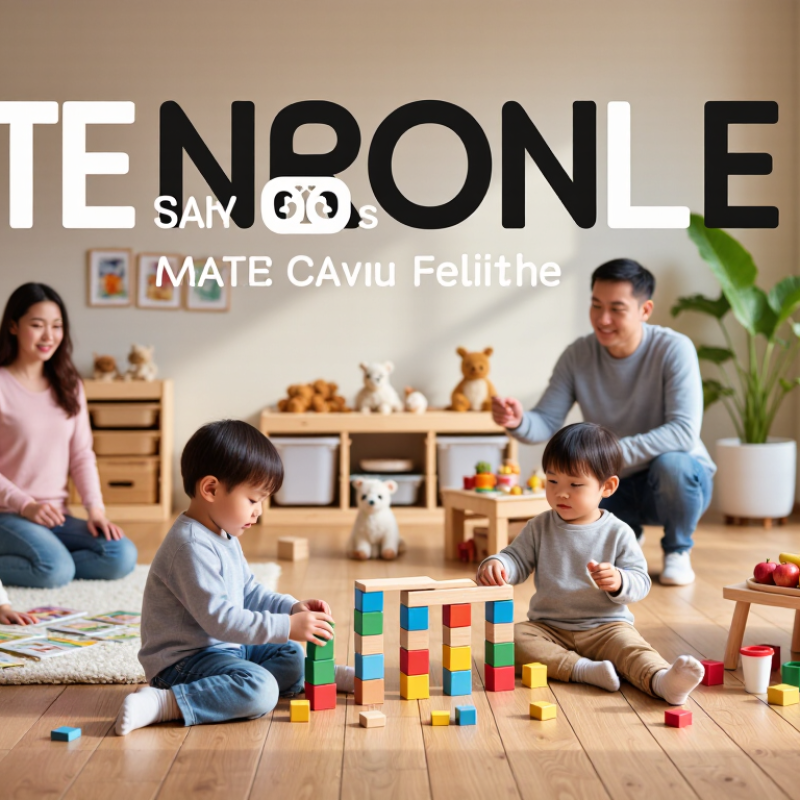
What Are the Benefits of Screen Free Play for Children?

Defining Screen-Free Play and Its Main Forms

Screen-free play means children choose, explore, and interact without televisions, phones, tablets, or digital games. It does not require removing technology all day. Instead, it creates focused periods for pretend play, building, drawing, sensory activities, outdoor movement, and simple social games. A cardboard box can become a train. Mud, water, and plastic cups can support rich sensory learning.

These forms develop different skills. Pretend play strengthens language and emotional understanding. Construction play encourages planning, balance, and problem-solving. Outdoor play supports coordination and physical confidence. The World Health Organization’s 2019 guidelines recommend no sedentary screen time for infants and no more than one hour daily for children aged two to four. The Common Sense Census reported that children aged zero to eight averaged 2 hours and 24 minutes of screen media daily in 2020. The gap deserves attention. Yet screen-free play is not always easy. Some children resist it, especially after frequent digital stimulation.

Tips: Begin with 15 minutes. Put paper, blocks, and recycled boxes within reach. Offer two choices, not ten. Join briefly, then step back. Avoid turning play into a lesson. Children need room to make noise, repeat ideas, and occasionally get bored. Adults can also reflect: a carefully planned activity may fail, while an empty laundry basket becomes the day’s favorite toy.

How Screen-Free Play Supports Physical Development

Screen-free play gives children more chances to move their whole bodies. A child who crawls under a chair, climbs cushions, or jumps over a rope practices balance and coordination. Running, reaching, pushing, and carrying also strengthen muscles and support bone development. Small movements matter. Turning a puzzle piece or threading beads improves hand control. These skills later support writing, dressing, and using classroom tools.

Child-development research connects active play with stronger motor skills and better body awareness. During outdoor play, children judge distance, adjust their steps, and learn how much force to use. A ball rolling across grass offers different feedback than a smooth indoor floor.

Caregivers can support this growth with safe, simple materials, such as cardboard boxes, soft balls, and chalk paths. Free movement should still include supervision, especially near stairs, traffic, water, or hard surfaces.

The benefits are not automatic. An empty room may not inspire movement, and some children need gentle encouragement. Adults can demonstrate a game, then allow the child to change its rules. That flexibility builds confidence and problem-solving. It is also worth avoiding exaggerated claims. A scraped knee is not automatically a learning victory. Children need reasonable safety, rest, and varied activity. Even ten minutes of active play can reveal useful progress, such as steadier steps or a stronger grip.

How It Builds Cognitive and Creative Skills

Screen-free play gives children room to think with their hands, bodies, and voices. A cardboard box becomes a shop, spaceship, or hiding place. Small hands experiment. Children plan, test, fail, and try again. These actions strengthen working memory, flexible thinking, and early problem-solving skills.

The World Health Organization recommends no more than one hour of sedentary screen time for children aged two to four. Less is better, especially when quiet time can include reading, drawing, or active play. The National Academies of Sciences, Engineering, and Medicine also identifies play as important for executive function, language, self-regulation, and social development.

During a pretend restaurant game, one child remembers the order, another negotiates roles, and a third invents a menu. Cognitive growth can look wonderfully ordinary.

Creative play also supports original thinking because children control the rules. They may use a spoon as a microphone or turn cushions into stepping stones. Adults can offer open-ended materials without directing every move.

That said, the evidence is not perfectly clean. Screen time may replace sleep, conversation, or movement, but family routines and content quality also matter. Removing screens alone will not create creativity. A tired child may still ignore the empty art table.

Try ten quiet minutes after breakfast, with paper, blocks, and no fixed outcome. Expect some boredom. It often arrives before invention.

How It Strengthens Social and Emotional Growth

Screen-free play gives children room to read faces, negotiate rules, and repair small conflicts. A cardboard shop can become a busy market, where one child sells pretend fruit and another waits for a turn. These simple scenes build communication skills. Children learn to ask, listen, compromise, and notice when someone feels left out. Early-childhood educators often see these abilities develop through repeated, ordinary play rather than direct instruction. A child who offers a toy after an argument is practicing empathy in real time. That pause matters.

Unstructured play also strengthens emotional regulation. Children decide whether to rebuild a fallen tower, change the game, or ask for help. Frustration appears naturally. An adult can name the feeling, keep everyone safe, and then wait. Children gradually learn that anger can pass without controlling their actions. Outdoor play adds movement, cooperation, and manageable risk. Climbing a low structure or inventing a team game can build confidence while teaching children to judge their abilities.

The benefits are not automatic. Some children need gentle coaching, especially when play becomes exclusive or overly competitive. Caregivers can model phrases such as “Can I join?” or “Let’s find a fair rule.” Still, adults can overmanage the moment. I sometimes think we rush to solve conflicts that children could solve with time. A quiet presence may teach more than a perfect answer. Clear boundaries remain important, but children also need space to make mistakes, feel disappointed, and try again.

What Are the Benefits of Screen-Free Play for Children? — How It Strengthens Social and Emotional Growth
Development Dimension How Screen-Free Play Helps Observable Indicators Examples of Play Experiences Evidence-Based Note
Peer Cooperation Children practice sharing materials, taking turns, negotiating rules, and working toward a common goal. Waits for a turn, suggests fair solutions, follows group rules, and includes other children. Building a shared structure, cooperative board games, team treasure hunts, and group pretend play. Collaborative play provides repeated, natural opportunities to practice communication and cooperation.
Emotional Regulation Play gives children a safe setting to experience excitement, disappointment, frustration, and recovery. Names feelings, pauses before reacting, seeks help appropriately, and returns to play after a setback. Emotion role-play, sensory play, drawing feelings, movement games, and games with manageable challenges. Supported play can help children identify emotions and develop coping strategies through practice.
Empathy and Perspective-Taking Pretend play encourages children to imagine another person’s needs, thoughts, and feelings. Comforts others, recognizes different viewpoints, adjusts behavior, and uses caring language. Playing family, hospital, classroom, shop, or community-helper scenarios with flexible roles. Imaginative social play is associated with opportunities to understand perspectives and respond sensitively.
Communication Skills Face-to-face play requires children to listen, explain ideas, interpret body language, and repair misunderstandings. Maintains a conversation, asks clarifying questions, explains rules, and resolves simple conflicts verbally. Storytelling circles, puppet shows, construction projects, charades, and cooperative problem-solving tasks. Interactive play involves reciprocal communication rather than one-way media consumption.
Self-Confidence and Agency Open-ended play lets children make choices, lead activities, test ideas, and experience competence. Chooses an activity, initiates play, persists with a challenge, and expresses personal ideas. Unstructured outdoor play, art with varied materials, loose-parts construction, and child-led projects. Autonomy-supportive play can strengthen motivation, decision-making, and a sense of capability.
Conflict Resolution Real-time play creates opportunities to identify problems, consider alternatives, compromise, and repair relationships. Uses words instead of aggression, proposes alternatives, apologizes when appropriate, and resumes cooperative activity. Small-group games, shared building tasks, dramatic play, and adult-guided problem-solving scenarios. Adults can support learning by asking questions and coaching children without taking over the conflict.
Creativity and Flexible Thinking Without predetermined digital content, children generate their own stories, rules, materials, and solutions. Uses objects in new ways, changes plans, creates original stories, and accepts more than one solution. Cardboard-box play, nature collections, music and movement, invention challenges, and open-ended crafts. Open-ended activities encourage imagination, experimentation, and cognitive flexibility.
Physical Well-Being and Social Energy Active play combines movement with social interaction and can support healthy routines, mood, and engagement. Participates in active games, coordinates movements, shows enjoyment, and transitions more calmly afterward. Running games, playground play, dancing, balance courses, ball games, and family walks. Regular physical activity supports children’s physical health and is also linked with emotional well-being.
Attention and Persistence Play allows children to sustain effort, adjust strategies, and complete tasks at a developmentally suitable pace. Stays engaged, retries after failure, follows a sequence, and finishes or pauses a self-chosen task. Puzzles, building challenges, gardening, cooking with supervision, and multi-step scavenger hunts. Hands-on activities provide practice with sustained attention and goal-directed behavior.
Family Connection Shared play creates regular opportunities for warm interaction, conversation, encouragement, and relationship repair. Initiates shared activities, communicates needs, enjoys reciprocal interaction, and accepts guidance more readily. Reading together, simple card games, cooking, outdoor exploration, and collaborative household tasks. Responsive caregiver interaction is an important context for social-emotional development.
The indicators are practical developmental observations, not diagnostic measures. Children develop at different rates; screen-free play is most effective when it is regular, enjoyable, inclusive, age-appropriate, and balanced with sleep, learning, physical activity, and family routines.

Ways to Encourage Screen-Free Play in Daily Life

Screen-free play gives children room to move, imagine, and solve small problems independently. They may build a cardboard shop, invent rules for a ball game, or turn cushions into a mountain. These activities support language, coordination, patience, and flexible thinking. The benefits often appear quietly. A child who negotiates play rules is practicing communication without realizing it.

Daily routines can make this kind of play easier. Keep crayons, paper, blocks, and fabric pieces in one reachable basket. Rotate a few items every week to renew interest. Invite children to help with simple household tasks, such as sorting socks or washing vegetables. These tasks feel ordinary, yet they strengthen attention and practical skills. Outdoor time can begin with a short walk, a bucket of chalk, or a search for unusual leaves. No elaborate equipment is required.

Adults can protect one screen-free period after school or before dinner. A visible timer may reduce arguments, although it will not solve every problem. Children often resist at first. Stay nearby and offer one clear idea, not a long list.

“Can you build a bridge for this toy?” works better than “Go play.”

Quiet participation helps too. Read beside them, fold paper together, or accept a little boredom. I sometimes expect creative play to happen too quickly. That expectation needs adjusting. Unstructured minutes can feel unproductive, but they may be where children begin creating their own plans.

FAQS

How can screen-free play build thinking skills?

Children plan, test, fail, and try again with hands-on materials. A cardboard box can become a shop or spaceship. These actions support working memory, flexible thinking, and early problem-solving. Mistakes are useful.

What materials encourage creativity without fixed rules?

Offer paper, blocks, cushions, spoons, and empty boxes. A spoon might become a microphone. Cushions can become stepping stones. Avoid directing every move. The result may look messy.

Does removing screens automatically create creativity?

No. Screen time can replace sleep, conversation, or movement, but context matters too. A tired child may ignore a clean art table. Try ten quiet minutes after breakfast. Expect boredom.

How does pretend play support communication?

Children ask, listen, negotiate roles, and notice exclusion. In a pretend market, one child sells fruit while another waits. They practice language through ordinary scenes. It is not always smooth.

Can play improve empathy and conflict repair?

Yes, repeated play gives children chances to read faces and repair small conflicts. Offering a toy after an argument shows empathy in action. Adults can model, “Can I join?” or “Let’s find a fair rule.” Then pause.

How does unstructured play help emotional regulation?

Children face frustration when a tower falls or rules change. They can rebuild, switch games, or ask for help. Adults can name feelings and keep everyone safe. They should not solve every conflict immediately.

What role does outdoor play have?

Outdoor play adds movement, cooperation, and manageable risk. Climbing a low structure helps children judge their abilities. Team games build confidence and shared decision-making. Safety boundaries still matter.

How much adult guidance is helpful?

Gentle coaching helps when play becomes exclusive or fiercely competitive. A quiet presence may teach more than a perfect answer. Give children time to make mistakes and try again. I may intervene too quickly sometimes.

Conclusion

Screen-free play includes any activity children enjoy without digital devices, such as outdoor games, imaginative role-play, building, drawing, reading, puzzles, and hands-on exploration. What are the benefits of screen free play for children? These activities encourage movement, balance, coordination, and healthy physical habits while giving children opportunities to use their bodies actively and naturally.

Screen-free play also develops cognitive and creative skills by encouraging children to imagine, solve problems, make decisions, and explore ideas independently. When children play with others, they practice communication, cooperation, patience, negotiation, and empathy, which support strong social and emotional growth. Families can encourage this kind of play by creating accessible activity spaces, offering simple open-ended materials, spending time outdoors, setting consistent device-free periods, and joining children in play. With regular encouragement and freedom to explore, screen-free play can become a joyful and meaningful part of everyday life.

Sienna

Sienna

Sienna is a skilled marketing professional with a deep expertise in our company’s core products and services. With a passion for innovation and detail, she plays a pivotal role in crafting insightful blog posts that not only highlight the unique features of our offerings but also provide valuable......