Top 10 Benefits of Montessori Wooden Toys for Learning?

Time:2026-07-04 Author:Ethan
0%

Montessori wooden toys have gained popularity in early childhood education. These toys offer much more than just entertainment. They engage children in a hands-on way, fostering essential skills for learning.

How do Montessori wooden toys support learning? They encourage creativity and problem-solving. Kids learn by doing, which enhances retention. Each toy is designed to be safe and durable, encouraging exploration. The natural materials promote sensory experiences, making learning enjoyable.

The benefits of these toys extend beyond basic skills. They help develop fine motor skills and hand-eye coordination. Children also learn patience and perseverance through play. Utilizing these toys can sometimes pose challenges, such as children becoming attached to specific items. Nevertheless, the positive impacts are clear. Montessori wooden toys create an environment where learning thrives, making them essential tools in any educational setting.
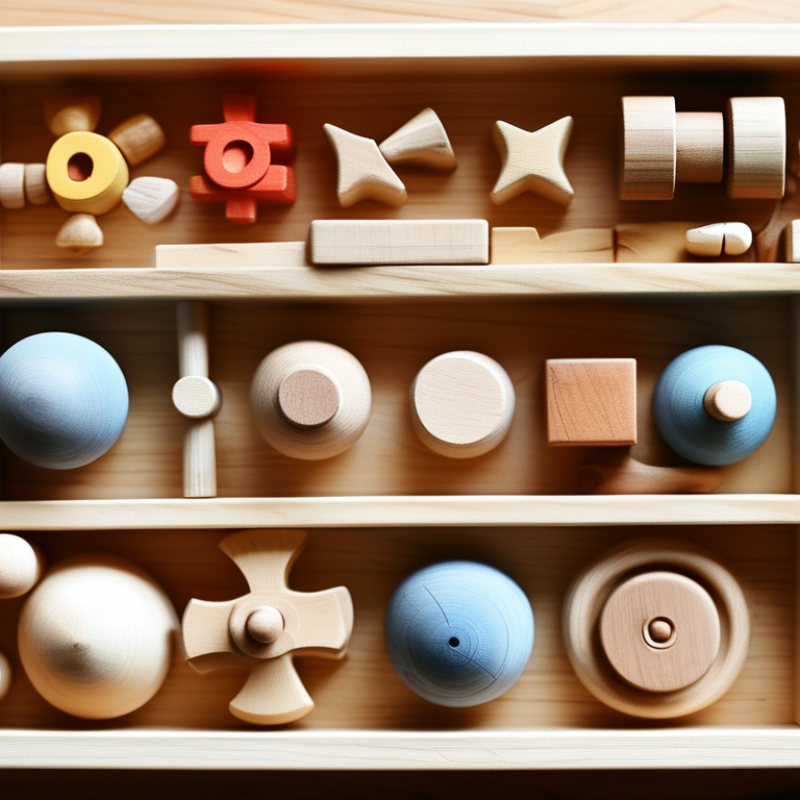
Top 10 Benefits of Montessori Wooden Toys for Learning?

Benefits of Montessori Wooden Toys for Cognitive Development

Montessori wooden toys play a vital role in cognitive development. They encourage hands-on learning and stimulate creativity. Research indicates that children learn best through play. According to a report from the American Academy of Pediatrics, play is essential for brain development in young children. Engaging with these toys helps improve problem-solving skills and critical thinking.

When children manipulate wooden blocks or puzzles, they develop spatial awareness. This physical interaction creates neural connections in the brain. The simplicity of these toys aids focus, enabling deeper engagement. A study published in the Journal of Child Development suggests that quality playtime has long-term benefits on intelligence and social skills.

Tips: Encourage your child to explore different toys. Let them build, sort, and create freely. Limit screen time to enhance cognitive engagement. Offering a variety of wooden toys can spark curiosity. Reflect on your child’s play patterns. Are they exploring enough? Adjust their play environment to foster growth.

Enhancing Fine Motor Skills Through Interactive Play

Montessori wooden toys offer a unique way to enhance fine motor skills through interactive play. These toys encourage children to engage their hands, which helps with dexterity and hand-eye coordination. Activities like stacking blocks or threading beads require small, precise movements that strengthen little fingers. Children learn best when they interact with tangible objects, making wood toys an ideal choice.

Playing with wooden toys also encourages creativity. Children often invent their own games, which promotes problem-solving. They explore different ways to use a single toy, sparking imagination. Some children may struggle with frustration when they can't achieve their desired outcome. This is a crucial moment for learning persistence. Engaging in interactive play teaches them to cope with challenges.

While many toys are colorful and electronic, wooden toys provide a sensory experience that's calming. The texture and weight of wood can feel more gratifying compared to plastic. As children experiment, they might find balancing a tower tricky. This experience teaches valuable lessons about patience and resilience. The process of trial and error is essential for growth. Engaging with these toys helps refine their abilities while nurturing a sense of accomplishment.

Top 10 Benefits of Montessori Wooden Toys for Learning

Promoting Creative Thinking with Versatile Designs

Montessori wooden toys are a powerful tool for promoting creative thinking in children. These toys often feature versatile designs that encourage open-ended play. According to the American Academy of Pediatrics, unstructured play is essential for cognitive and emotional development. Children thrive when given the freedom to explore and create.

Playing with wooden toys allows kids to engage in problem-solving. They learn to think critically as they manipulate different shapes and sizes. Research shows that open-ended play fosters innovation and adaptability. A study published in "Child Development" reveals that children who engage in creative play demonstrate higher levels of creativity in later tasks.

Tip: Choose toys that allow for multiple functions. A simple block can become a house, a car, or even a bridge. This flexibility encourages children to envision different scenarios and enhances their imaginative capabilities.

Even with all the benefits, it’s important to reflect on how these toys are used. Some parents focus too much on structured activities. This limits creative outcomes. Balancing structured play with free play enhances learning experiences significantly. Look for toys that inspire curiosity without rigid guidelines.

Top 10 Benefits of Montessori Wooden Toys for Learning

Benefit Description
Promotes Fine Motor Skills Engagement with wooden toys helps children develop their fine motor skills through grasping, stacking, and manipulating pieces.
Enhances Problem-Solving Abilities Playing with Montessori toys encourages exploration and experimentation, which fosters critical thinking and problem-solving skills.
Encourages Creativity Versatile designs allow children to create their own games and experiences, boosting their creative thinking.
Promotes Social Skills Group play with wooden toys fosters social interaction and helps children learn cooperation and teamwork.
Supports Cognitive Development Toys designed for open-ended play stimulate cognitive growth by challenging children to think critically.
Durability and Longevity Wooden toys are often more durable than plastic alternatives, leading to longer usage and more sustainable play options.
Natural Connection Wooden toys provide a sensory experience that connects children with nature, promoting environmental awareness.
Safe and Non-Toxic High-quality wooden toys are typically free from harmful chemicals, ensuring safety for young children.
Aids in Emotional Development Playing with toys allows children to express their emotions and develop empathy through role play.
Fosters Independence Montessori toys encourage children to explore on their own, helping them build confidence and independence.

Supporting Emotional Growth and Social Interaction

Montessori wooden toys offer more than just play; they foster emotional growth and social interaction among children. These toys encourage children to express their feelings. For instance, while participating in group activities, kids learn to communicate their thoughts and emotions. They experience joy in sharing toys and collaborating on tasks, which builds empathy and understanding.

Playing with wooden toys also helps children navigate conflicts. When disagreements arise, they have opportunities to practice negotiation skills. They learn to listen to each other’s viewpoints. Such engagements serve as practical lessons in conflict resolution. Sometimes, unstructured play leads to misunderstandings, but these moments can spark reflection and guided conversations.

Encouraging cooperative play leads to deeper connections among peers. Children develop trust and bonds through shared experiences. Wooden toys might seem simple, but their impact is profound. Witnessing children learn to express emotions and resolve conflicts enriches the Montessori experience. It fosters an environment where children can learn compassion and partnership, creating a well-rounded foundation for future social interactions.

Fostering Environmental Awareness with Natural Materials

Montessori wooden toys are designed with a focus on natural materials, creating a genuine connection to the environment. These toys often come from sustainable sources, promoting ecological awareness among children from a young age. When kids play with these toys, they engage in a hands-on experience that fosters a respect for nature. The tactile feel of wood surpasses that of plastic, offering a unique sensory experience that enhances learning.

Moreover, wooden toys can spark conversations about environmental responsibility. Children can learn about where their toys come from and the importance of sustainability. For example, a wooden block set may serve as an entry point for discussing deforestation and the significance of maintaining a healthy planet. This interaction nurtures a sense of responsibility towards the environment.

Despite these benefits, some parents may find it challenging to promote this awareness consistently. Exposure to synthetic toys is pervasive, often overshadowing the beauty of natural playthings. It's essential to create a balanced environment where children can appreciate both. Emphasizing natural materials in play is a journey, and every small step counts in developing environmentally conscious habits.

FAQS

: How do Montessori wooden toys promote creative thinking?

: They encourage open-ended play, allowing children to explore freely and think critically.

What type of play is essential for children's development?

Unstructured play is crucial for cognitive and emotional growth.

What should parents look for in toys to enhance creativity?

Choose versatile toys that serve multiple functions, inspiring imaginative scenarios.

How do wooden toys support social interactions among kids?

They promote emotional expression and help children learn negotiation and conflict resolution skills.

Can wooden toys help children with emotional growth?

Yes, they encourage sharing and cooperation, building empathy in peer interactions.

What is an environmental benefit of Montessori wooden toys?

They are made from natural materials, fostering eco-awareness and respect for nature.

How can wooden toys spark discussions about sustainability?

They can lead to conversations about sourcing and the importance of ecological responsibility.

Why might promoting environmental awareness with toys be challenging?

The prevalence of synthetic toys can overshadow natural options, making it difficult for parents.

What is one way to create a balanced environment for play?

Introduce both natural and synthetic toys, emphasizing the beauty of using sustainable materials.

How can parents reflect on their children’s playtime?

Evaluate if there’s a balance between structured and unstructured play to enhance learning outcomes.

Conclusion

Montessori wooden toys offer numerous benefits that support learning in various developmental areas. Primarily, they promote cognitive development by engaging children's minds through hands-on exploration and problem-solving. Additionally, these toys enhance fine motor skills as children manipulate different shapes and components, fostering dexterity and coordination. With versatile designs, Montessori wooden toys encourage creative thinking, allowing children to construct and imagine various scenarios during play.

Moreover, these toys play a significant role in supporting emotional growth and social interaction as children share and collaborate with peers. Finally, the use of natural materials in Montessori wooden toys fosters environmental awareness, teaching children the importance of sustainability. In summary, the question, "how do Montessori wooden toys support learning," can be answered by highlighting their comprehensive impact on cognitive, emotional, and social development through interactive and imaginative play.

Ethan

Ethan

Ethan is a seasoned marketing professional with a deep expertise in our company's innovative product line. With a passion for sharing knowledge and insights, he takes the lead in regularly updating our corporate blog, where he explores industry trends, product features, and effective marketing......