2026 Top Educational Toys for Social Emotional Growth?

Time:2026-11-05 Author:Ethan
0%

In 2026, the best educational toys for social emotional growth do more than keep children busy. They create small, repeatable chances to name feelings, practice patience, and work through disagreements. A set of wooden figures might help a child act out a playground conflict. A cooperative board game can make turn-taking tangible: wait, notice another player, and try again after a setback. Small moments matter. The toy itself does not teach empathy automatically; adult attention and a child’s own temperament shape what happens.

So, how can educational toys support social and emotional development? They can give children a low-pressure setting to rehearse skills through pretend play, building, and shared problem-solving. Child-development advocate Fred Rogers captured the value of play: “Play is often talked about as if it were a relief from serious learning. But for children, play is serious learning.” That idea offers a useful lens for choosing toys, not a promise of guaranteed results. Look for open-ended pieces, simple rules, and materials children can use together. Notice whether the toy invites conversation or leaves room for a child to lead. Some play will be messy, repetitive, or solitary. That is normal, too. This guide explores options that may support connection and emotional learning, while recognizing that no single toy suits every child.
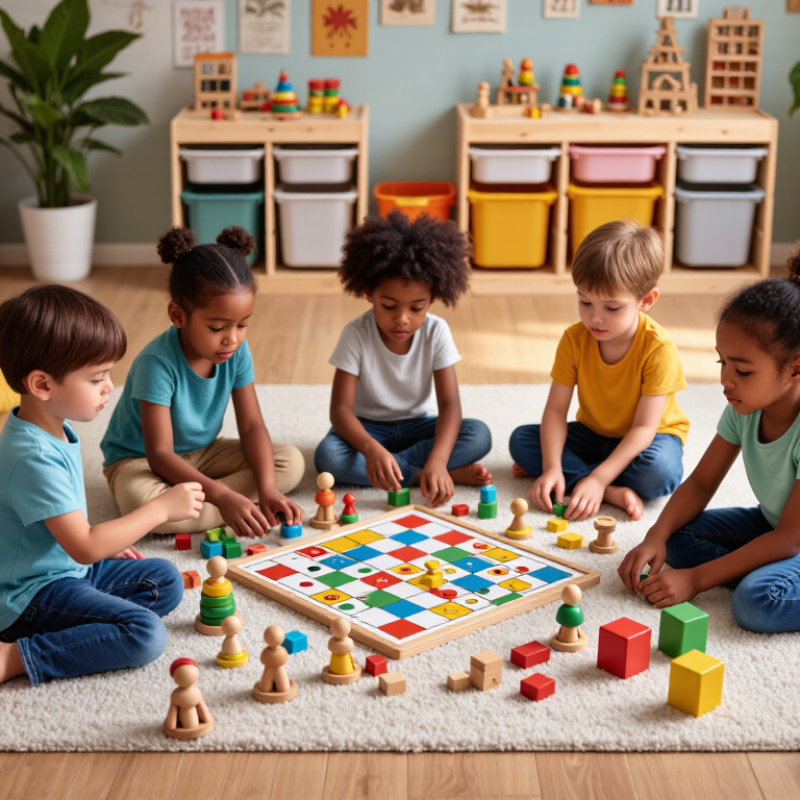
2026 Top Educational Toys for Social Emotional Growth?

Understanding Social-Emotional Growth in Childhood

Social-emotional growth is how children learn to notice feelings, manage reactions, and relate to other people. It develops gradually through everyday moments, not through one lesson or toy. A child may name frustration before learning what to do with it. That gap is normal. Adults can support progress by staying calm, offering simple words, and giving children time to respond.

Play offers a low-pressure place to practise these skills. With dolls, pretend food, or building pieces, children can take turns, invent roles, and work through small disagreements. A caregiver might say,

“You both want the blue cup. What could happen next?”

This invites problem-solving without deciding every detail for them. Cooperative games can also help children handle waiting and disappointment, though some days they may need more support than others.

Look for toys that leave room for conversation and flexible play, rather than expecting a specific emotional outcome. Notice what the child does: Do they ask for help, comfort a character, or try again after a tower falls? These observations can guide gentle questions and realistic expectations. Progress is rarely tidy. A child may share generously one afternoon and resist sharing the next; that does not erase what they are learning.

Core Skills Educational Toys Can Help Develop

Educational toys can make abstract social-emotional skills easier to practise in ordinary play. Feeling cards, for example, let a child match a face to “worried” or “proud,” then describe what happened. Naming feelings builds emotional vocabulary, though a child may choose silence. That matters too. Adults can offer words without insisting on an answer, while modelling simple regulation: pause, breathe, try again.

Pretend-play figures, toy kitchens, and animal sets invite children to notice another character’s needs. “The bear lost its turn” can open a conversation about fairness, disappointment, and repair. Cooperative puzzles and building tasks practise listening, turn-taking, and shared planning. A tower that tips over is useful. Children can choose to rebuild, ask for help, or change the design. These small decisions support agency and flexible problem-solving, not just compliance.

An adult’s role is important, but play need not become a lesson. A calm question such as “What could help?” may work better than correcting every disagreement. It is easy to overestimate what a toy teaches on its own; one game will not make a child consistently patient. Temperament, fatigue, and family routines matter. Notice how the child engages over time, and choose activities that feel inviting rather than demanding. If frustration rises, simplify the task or step back.

Types of Toys for Practicing Empathy, Cooperation, and Self-Regulation

Empathy begins with small, visible choices: a puppet feels left out, and a child decides how to include it. Dolls, pretend-play figures, and emotion cards help children name feelings and imagine another person’s perspective. Ask, “What might help?” rather than expecting one correct answer. Sometimes children need a grown-up to model the answer first.

Cooperative building sets and simple board games make teamwork concrete. One child holds the blocks steady; another adds the roof. A shared goal creates chances to practice waiting, negotiating, and repairing small disagreements. A 2011 meta-analysis of 213 school-based social-emotional learning programs, involving 270,034 students, found academic performance averaged 11 percentile points higher among participants than controls (Durlak et al., Child Development). These were structured programs, not toy trials—a useful distinction.

For self-regulation, try clay, drawing materials, or turn-taking games with a visible sand timer. Children can practice pausing, choosing a strategy, and trying again after frustration. The American Academy of Pediatrics identifies play as supportive of executive function and emotional development (Pediatrics, 2018). Still, one toy will not suit every child, and a timer can sometimes add pressure. Watch the child’s response, then adjust.

2026 Top Educational Toys for Social-Emotional Growth

How different toy types can offer opportunities to practice empathy, cooperation, and self-regulation.

Ratings are illustrative editorial estimates on a 1–5 scale, not results from a clinical study. Opportunities vary by activity, age, and adult guidance.

Choosing Age-Appropriate Toys for Different Developmental Needs

2026 Top Educational Toys for Social Emotional Growth?
Choosing Age-Appropriate Toys for Different Developmental Needs

A good toy meets a child where they are, not where adults expect them to be. For toddlers, try soft dolls, nesting cups, or simple pretend-play sets. These invite naming feelings, taking turns, and copying everyday care. The CDC’s 2022 developmental milestone checklist notes that many two-year-olds notice when someone is hurt or upset. This is a useful guide, not a deadline. Children develop at different rates, and one quiet play session proves little.

For preschoolers, cooperative games, puppets, and dress-up props can help children practise sharing roles and working through small disagreements. The CDC lists joining other children in play as a milestone around age three. The American Academy of Pediatrics’ 2018 clinical report, “The Power of Play,” also describes play as a support for social and emotional development. Choose toys with flexible uses rather than one “correct” outcome. A cardboard shop can become a clinic five minutes later.

Tips: Match the toy to the child’s current skills and interest. Offer two or three simple choices, then watch how they play. If a game causes repeated frustration, simplify the rules or play together. Keep small parts away from children who still mouth objects, and check age guidance on packaging. Adult attention matters, too. A toy cannot do all the teaching.

2026 Top Educational Toys for Social Emotional Growth? — Choosing Age-Appropriate Toys for Different Developmental Needs
Age range Developmental focus Suitable toy types Social-emotional skills to practice Age-appropriate selection tips
Birth–12 months Early attachment, shared attention, and responding to familiar people. Soft dolls, textured fabric toys, baby-safe mirrors, and simple peekaboo toys. Engaging with a caregiver, taking turns in simple interactions, and noticing faces and voices. Choose washable toys made for infants, with no loose or detachable parts. Use toys during supervised, face-to-face play.
1–2 years Growing independence, imitation, and early awareness of other people. Large toy figures, sturdy board books about feelings, and simple pretend-play objects. Imitating caring actions, practicing brief turn-taking, and beginning to recognize familiar emotions. Look for durable, easy-to-hold pieces. Avoid toys with small parts that could pose a choking risk; supervise play.
2–3 years Early pretend play, emerging self-regulation, and learning simple social routines. Play food, toy dishes, large blocks, and simple dolls or animal figures. Practicing sharing with adult support, expressing needs, and acting out familiar everyday situations. Choose simple toys with multiple ways to play. Toddlers still need adult help to manage frustration and practice taking turns.
3–5 years More imaginative role-play, emotional vocabulary, and cooperative play. Puppets, dress-up items, pretend-play sets, picture books about feelings, and simple cooperative games. Naming feelings, considering another character’s point of view, negotiating roles, and following shared rules. Pick open-ended toys that encourage conversation. Check that materials and pieces suit the child’s age and abilities.
6–8 years Building friendships, managing everyday disagreements, and understanding rules and fairness. Cooperative board games, building sets, group art materials, and story-making kits. Taking turns, communicating ideas, solving problems together, and coping with winning or losing. Choose games with clear, manageable rules and play together at first. Focus on communication and teamwork, not just the outcome.
9–12 years Developing perspective-taking, more complex collaboration, and a stronger sense of responsibility. Team strategy games, collaborative construction challenges, role-play activities, and shared creative projects. Considering different viewpoints, making group decisions, resolving disagreements, and reflecting on how actions affect others. Match complexity to the child’s interests and experience. Offer genuine choices and allow time to discuss how the group worked together.

Using Play to Encourage Social-Emotional Learning at Home and School

2026 Top Educational Toys for Social Emotional Growth?
Using Play to Encourage Social-Emotional Learning at Home and School

At home, a simple pretend-play set can open the door to real conversations. A child might use toy figures to act out a disagreement over a shared toy. Ask what each character could be feeling, then let your child suggest a fair next step. Small moments matter. There is no need to turn every game into a lesson; sometimes children just want to play.

At school, cooperative games give children practice taking turns, listening, and handling small setbacks. Choose activities with shared goals, such as building a bridge together with blocks. Notice specific actions: “You waited while Maya finished,” or “You asked for help when the tower fell.” These comments connect behavior with social skills without labeling a child as good or bad. Keep the rules flexible enough for different communication styles and abilities.

Adults can join in, but should leave room for children to lead. If a game becomes tense, pause and help name what is happening. I sometimes step in too quickly; waiting a few seconds can reveal that children are already working it out. Play is not a cure-all, and one activity will not suit every child. Still, familiar toys, calm guidance, and repeated chances to try again can make home and classroom interactions more thoughtful.

FAQS

What does social-emotional growth mean in childhood?

It involves noticing feelings, managing reactions, and relating to others. These skills develop through everyday moments, not one lesson.

How can toys support social-emotional learning?

Dolls, pretend food, and building pieces give children chances to practise sharing, turn-taking, and problem-solving. Play can stay playful.

Which play activities help children name feelings?

Feeling cards can help children match faces with words like “worried” or “proud.” A child may choose not to answer. Silence counts too.

How can pretend play encourage empathy?

Ask what a toy bear might feel after losing its turn. Then invite the child to suggest what could help.

What can cooperative games teach?

Shared puzzles or block-building activities practise listening, waiting, and planning together. When a tower falls, children can rebuild or change the design.

How should adults respond to disagreements during play?

Try a calm question, such as, “What could happen next?” Avoid correcting every disagreement. Children may need time to work things out.

Is inconsistent sharing a sign that a child is not learning?

Not necessarily. A child may share one day and resist the next. Progress is rarely tidy.

Do educational toys make children consistently patient?

No single toy guarantees that. Temperament, tiredness, and family routines also matter; I sometimes step in too quickly.

Conclusion

This guide explores how social-emotional growth develops during childhood and why it matters in everyday life. It explains how can educational toys support social and emotional development by giving children engaging ways to recognize feelings, communicate needs, take turns, solve problems, and manage frustration. Through pretend play, cooperative games, puzzles, and creative activities, children can practice empathy, teamwork, patience, and self-regulation in a low-pressure setting.

The guide also considers how to choose toys that suit a child’s age, interests, and developmental needs, while allowing room for challenge and independent exploration. At home and at school, adults can strengthen learning by playing alongside children, asking open-ended questions, modeling respectful communication, and helping them reflect on what happened during play. With thoughtful choices and supportive guidance, play can become a meaningful part of children’s social and emotional learning.

Ethan

Ethan

Ethan is a seasoned marketing professional with a deep expertise in our company's innovative product line. With a passion for sharing knowledge and insights, he takes the lead in regularly updating our corporate blog, where he explores industry trends, product features, and effective marketing......