When considering what makes a wooden toy educational, insights from experts can be invaluable. Dr. Jane Parker, a renowned child development specialist, emphasizes the importance of hands-on learning. She states, "Wooden toys offer unique opportunities for imaginative play and cognitive growth." This highlights how quality materials and design foster creativity.
Educational wooden toys should engage children’s senses and promote problem-solving. For instance, a simple block set can teach basic engineering principles. Children learn to balance and build, enhancing their spatial awareness. Moreover, the tactile nature of wood encourages sensory exploration.
However, not all wooden toys are created equal. Some might lack age-appropriate complexity or fail to inspire curiosity. Reflecting on what makes a wooden toy educational, it’s crucial to evaluate their design and educational potential. The right toys ignite passion for learning, but finding those gems requires careful consideration.
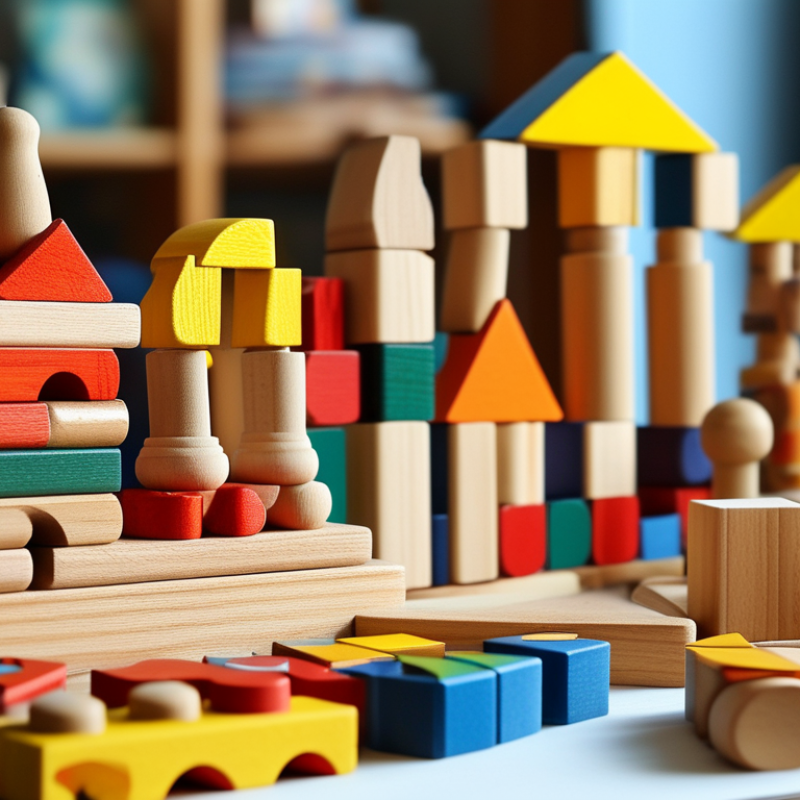
Characteristics of Quality Wooden Toys for Educational Play
When choosing wooden toys, focus on their educational value. Quality wooden toys promote cognitive development and fine motor skills. A study by the American Academy of Pediatrics highlights play's importance in childhood development. Engaging, versatile toys help children learn through exploration.
Tips for evaluating wooden toys:
- Consider design simplicity, durability, and safety.
- Toys should encourage open-ended play, allowing children to use their imagination.
- Look for toys that stimulate multiple senses.
For example, blocks can form various structures or scenes.
Bright colors and varying textures can make playtimes more engaging.
Research shows that
hands-on play boosts learning retention. A report from the National Association for the Education of Young Children states that tactile experiences enhance brain development. However, not all wooden toys are created equal. Some may lack age-appropriate features, leading to frustration. Assess whether the toy aligns with your child’s interests and developmental stage.
Quality wooden toys can be an investment in a child’s education, but be mindful of their limitations.
Understanding Different Learning Styles in Toy Design
Understanding how children learn is essential in toy design. Each child has a unique learning style. According to a report from the American Educational Research Association, about 70% of children excel with hands-on experiences. Educational wooden toys can cater to these varied preferences. For tactile learners, toys that can be grasped and assembled promote fine motor skills. Visual learners benefit from colorful designs and patterns that stimulate their imagination.
One crucial aspect is the balance between challenge and accessibility. Designing toys that are too complex can frustrate children. Research shows that approximately 60% of children lose interest quickly if they feel overwhelmed. Conversely, toys that are too simple may not engage them sufficiently. Integrating feedback from educators can address these challenges. Collaborative input ensures wooden toys truly meet educational needs while appealing to diverse learning styles. For instance, ergonomic shapes can enhance grip, facilitating easier manipulation for younger children.
Ultimately, the goal is to create a rich learning environment. While ensuring flexibility in design, it is important not to overlook the developmental stages of cognitive abilities. Some designs may not adequately reflect this diversity, leading to missed opportunities for growth. This reflection highlights the importance of continuous improvement in educational toy design.
The Role of Safety and Non-Toxic Materials in Educational Toys
When choosing educational wooden toys, safety is paramount. Parents must ensure that toys are made from non-toxic materials. Many toys feature bright colors, but the paints and finishes can sometimes contain harmful substances. It’s essential to seek toys that are free from lead, phthalates, and other toxic chemicals.
Non-toxic toys not only provide peace of mind but also encourage exploration and creativity. Children are more likely to engage in imaginative play when they feel safe. Inspecting materials can be tedious, but it’s a necessary step. Parents might face challenges in distinguishing between safe and unsafe products. Researching certifications can help clarify this.
Safety standards can vary based on location and manufacturer. It’s crucial to be aware of these differences. Reading labels and reviews might offer insight, but not all products are transparent. Sometimes, the ideal toy is not available. In such cases, handmade or local options can be a better choice. These often prioritize safety and sustainability while fostering children's development.
Incorporating Sensory Experiences into Wooden Toy Design
Incorporating sensory experiences into wooden toy design is vital for children's development. Research shows that tactile play enhances cognitive growth. Children engage with their environment through touch, sound, and movement. A wooden toy that emits sounds when interacted with can stimulate auditory senses. This type of play can improve language skills and memory retention, according to studies published in the Journal of Child Development.
Textures play a significant role as well. Different surfaces on wooden toys can inspire curiosity and exploration. A smooth block alongside a rough one invites children to compare and contrast. This sensory interaction fosters problem-solving skills and critical thinking. A report by the American Academy of Pediatrics highlights that sensory-rich play promotes overall mental health and emotional resilience in early childhood.
However, not all designs hit the mark. Some toys lack variety in sensory input. A singular texture or sound can limit engagement. It's crucial for designers to reflect on the sensory experiences offered by their toys. Feedback from educators often reveals that children prefer toys with multi-sensory capabilities. Balancing sensory features with safety and durability is an ongoing challenge. Ensuring that each toy not only engages but also protects is paramount.
Promoting Social Skills and Collaboration Through Wooden Toys
Wooden toys are more than just playthings; they can be powerful tools for promoting
social skills and collaboration among children. Unlike electronic gadgets, wooden toys often require
children to engage with one another. When playing with building blocks or puzzles, kids must communicate their ideas. They learn to share space and
negotiate solutions. This interaction fosters teamwork and strengthens their ability to express themselves.
During play, children face challenges. A puzzle might be missing a piece, or a tower might fall. These moments can lead to
frustration. However, they also provide opportunities for reflection and growth. Children learn to discuss
their feelings, either by asking for help or suggesting alternatives. This process enhances emotional intelligence,
allowing them to understand others better. Creative engagement with wooden toys sparks their imagination and encourages collaboration in problem-solving.
Parents and educators can support this development by providing diverse wooden toys that encourage group play. Imaginative scenarios can unfold with
simple designs. However, not every child will thrive in collaborative settings. Some may prefer solitary play to develop their own ideas.
Recognizing these differences is crucial. Balancing structured activities with free play
ensures that every child feels included, enhancing their overall learning experience.
FAQS
: Quality wooden toys promote cognitive development and fine motor skills through engaging, hands-on play.
Consider its design simplicity, durability, safety, and potential to encourage open-ended play.
Sensory experiences through touch, sound, and movement enhance cognitive growth and stimulate various senses in children.
Toys should vary in texture and sound and encourage children to explore and compare.
Playing with wooden toys requires communication and collaboration, helping children learn to express themselves and share.
Yes, not all toys feature age-appropriate designs. Some may lead to frustration if they don’t match a child's interests.
Challenges during play can lead to frustration but also provide growth opportunities, enhancing emotional intelligence.
No, some children may prefer solitary play. Recognizing their preferences is vital for their learning experience.
Parents can support development by providing diverse toys that encourage interaction and imaginative play.
Yes, ensuring toys are engaging while also safe is critical for a child's play experience.
Conclusion
When exploring what makes a wooden toy educational, several key characteristics come to the forefront. Quality wooden toys should encourage imaginative play, foster creativity, and support various learning styles through their design. Understanding that children learn differently is crucial in toy creation; thus, educational wooden toys must cater to auditory, visual, and kinesthetic learners alike. Additionally, the integration of sensory experiences—such as textures, sounds, and colors—can enhance a child's engagement and cognitive development.
Safety is paramount in the educational toy landscape, which is why using non-toxic materials is essential for ensuring children's well-being during play. Furthermore, these toys should promote social skills and collaboration among peers, fostering teamwork and communication as children interact. Overall, a well-designed wooden toy not only provides entertainment but also serves as a valuable educational tool, enriching children's growth and development in multiple domains.

 Fyre Toys