Why are Sustainable Toys Gaining Popularity Worldwide?

Time:2026-08-28 Author:Amelia
0%

In recent years, the question of why are sustainable toys becoming more popular has gained significant attention. Parents and educators alike are increasingly prioritizing environmentally friendly options for children’s play. This shift reflects a growing awareness of the ecological impact of traditional toys, often made from non-recyclable plastics and harmful chemicals.

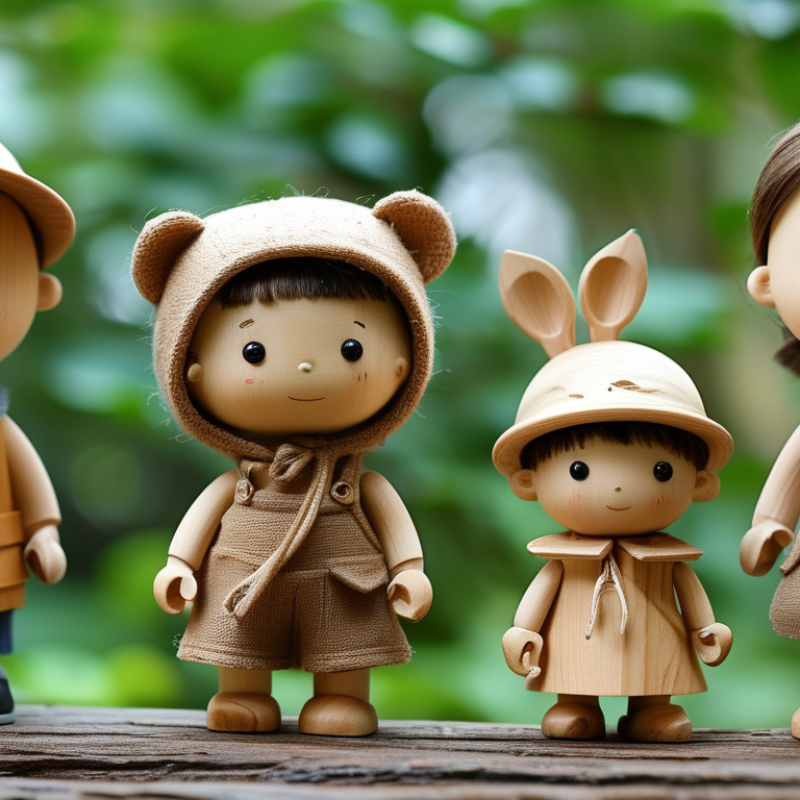
Sustainable toys, crafted from natural materials like wood and organic fabrics, provide a safer choice for children. Many families seek products that not only entertain but also educate. Brands that emphasize sustainability often highlight ethical production processes. These practices resonate with consumers who value social responsibility.

Yet, the rise of sustainable toys also invites reflection. Not all brands are transparent about their claims. There’s a need for careful consideration when choosing toys. Labels can be misleading, and price may not always equate to quality. As more people navigate this emerging market, informed choices become crucial to ensure we support genuine sustainability initiatives.
Why are Sustainable Toys Gaining Popularity Worldwide?

The Rise of Environmental Awareness and Its Impact on Toy Choices

As environmental awareness grows, so does the shift towards sustainable toys. Parents today are more mindful of the impact their children's toys have on the planet. Many choose toys made from natural, renewable materials. This shift aims to reduce plastic pollution and promote eco-friendly practices.

The desire for sustainable products reflects a deeper understanding of environmental issues. Parents initiate conversations about climate change and waste with their children. This education shapes toy choices. Many families now prioritize toys that are biodegradable or sourced from sustainable forests. The rise of online communities has made sharing information about sustainable toys easier.

However, the challenge remains. Information can be overwhelming, and not every product labeled as "sustainable" is truly eco-friendly. Parents must research thoroughly and discern which claims are legitimate. This journey toward sustainability is imperfect and requires ongoing effort. The discussion about sustainable toys is only beginning, as families strive to make responsible choices.

Popularity of Sustainable Toys (2020-2023)

This chart illustrates the increasing interest in sustainable toys from 2020 to 2023. The percentage of consumers prioritizing eco-friendly options has risen significantly, reflecting a growing awareness of environmental issues and support for sustainable practices in the toy industry.

The Role of Parents in the Shift Towards Sustainable Products

Parents today are increasingly conscious of the impact their choices have on the environment. A recent report from the Toy Association indicates that 70% of parents prefer eco-friendly toys for their children. This remarkable statistic highlights a shift in consumer behavior fueled by a desire for sustainable products. Moreover, the market for sustainable toys is projected to reach $9 billion by 2026, showcasing a growing demand.

Many parents are motivated by concerns about plastic waste. Traditional toys often contribute to pollution and harmful waste. Eco-friendly options, made from biodegradable or recycled materials, resonate with values of sustainability. Parents seek alternatives that not only entertain but also educate children about environmental responsibility.

Despite this trend, there are challenges. Not all parents know how to identify sustainable options. Confusion over labeling and the variety of materials can create barriers. As advocates for their children’s future, parents must educate themselves and support brands committed to transparency. Navigating this landscape requires diligence and a willingness to learn, but it fosters healthier habits for the next generation.

Innovations in Materials and Production Processes for Eco-Friendly Toys

Sustainable toys are capturing attention globally. This surge comes from growing environmental awareness. Innovations in materials play a key role in this trend. Biodegradable plastics and organic cotton are now common in toy production. These materials reduce waste and are safer for children.

Additionally, manufacturers are adopting eco-friendly production processes. Techniques like 3D printing and modular designs minimize waste and lower energy use. Parents appreciate the craftsmanship behind these toys. Many toys now come from recycled materials, emphasizing the importance of a circular economy. This shift leads to fewer resources being exploited.

However, challenges remain. Not all consumers fully understand the benefits of sustainable toys. Some might overlook the value of investing in eco-friendly options. Education is essential to bridge this gap. Raising awareness can encourage responsible choices. Reflecting on these points can help the industry improve and innovate further.

Market Trends and Consumer Demand for Sustainable Toy Brands

Sustainable toys are trending due to growing consumer awareness. Parents prioritize eco-friendly options as they consider their children's future. This shift reflects a broader consciousness about environmental protection. Many consumers prefer products made from natural materials. The desire for safe playthings drives this demand further.

Market trends reveal an increasing number of brands focusing on sustainability. These brands often highlight their commitment to using renewable resources. Organic materials not only ensure safety but also appeal to health-conscious parents. However, some brands struggle with transparency in their sourcing. This gap leads some consumers to question their choices.

The rising popularity of sustainable toys highlights a cultural shift. People are now more educated about the impact of plastic waste. Yet, the challenge remains in balancing affordability with sustainability. Many families want to make eco-friendly choices but face budget constraints. Sustainable toys often come at a premium price, raising concerns about accessibility.

The Influence of Education and Advocacy on Sustainable Toy Popularity

Sustainable toys are becoming increasingly popular due to their alignment with educational values and advocacy for environmental responsibility. Parents and educators are recognizing the importance of teaching children about sustainability early on. These toys often incorporate natural materials and promote eco-friendly practices. Children can learn while playing, fostering a deeper connection with nature. This shift is supported by campaigns highlighting the environmental impact of traditional toys.

Children exposed to sustainable toys may develop a sense of responsibility. They understand that their choices can influence the environment. This foundational knowledge can encourage lifelong habits focused on sustainability. It’s not just about playtime; it’s about cultivating awareness and empathy toward the planet. Advocacy by organizations focused on education has also played a role in this growth.

Choosing sustainable toys can be overwhelming. Consider selecting items made from biodegradable or organic materials. Involve children in discussions about why these choices matter. Engage them in hands-on activities like creating their own toys from recycled materials. Small actions can lead to significant changes. Encourage open conversations about the environment with kids. This will reinforce their learning while having fun.

Why are Sustainable Toys Gaining Popularity Worldwide?

Category Sustainable Toy Types Environmental Impact (kg CO2e) Consumer Awareness (%) Sales Growth Rate (%)
Wooden Toys Wood, Non-toxic Paints 0.5 75 15
Recycled Plastic Toys Recycled Materials 1.0 65 20
Organic Fabric Toys Cotton, Natural Dyes 0.3 55 10
Biodegradable Toys Plant-Based Plastics 0.6 70 18
Eco-Friendly Educational Toys Sustainable Materials 0.4 80 25

FAQS

: Why are parents choosing sustainable toys?

: Parents are more aware of toys' environmental impacts. They prefer natural, renewable materials to reduce plastic pollution.

What types of materials are used in sustainable toys?

Common materials include biodegradable plastics and organic cotton. These choices are safer for children and environmentally friendly.

How can families educate children about sustainability?

Parents discuss climate change and waste. They show how toy choices affect the planet, fostering awareness from a young age.

What challenges do parents face when choosing sustainable toys?

Information can be overwhelming. Not all products labeled as "sustainable" are truly eco-friendly, so thorough research is needed.

How are manufacturers improving toy production?

Manufacturers are using eco-friendly processes like 3D printing. This minimizes waste and uses less energy in production.

Why is investing in sustainable toys important?

Sustainable toys help reduce resource exploitation. They promote a circular economy and encourage lasting positive environmental impacts.

Are all claims about sustainable toys legitimate?

Not necessarily. Parents must critically assess claims and products before making a purchase.

How can the industry improve further in sustainability?

Education is essential. Raising awareness about the benefits can encourage more responsible consumer choices.

What role do online communities play in sustainable toy choices?

Online communities share valuable information. They help families make informed decisions about sustainable toys.

What is an ongoing reflection for parents in choosing toys?

The journey toward sustainability is imperfect. Continuous effort and reflection are needed to make responsible choices.

Conclusion

Sustainable toys are becoming more popular as a result of increasing environmental awareness among consumers. Parents are now more inclined to choose eco-friendly products for their children, recognizing the importance of sustainability in toy choices. This shift is also influenced by innovations in materials and production processes that prioritize environmental impact, making it easier for manufacturers to create appealing and safe toys.

Market trends indicate a growing demand for sustainable toy brands, reflecting a broader consumer shift towards responsible purchasing. Additionally, education and advocacy play vital roles in promoting the benefits of sustainable toys, further fueling their popularity. As awareness continues to grow, the question of why sustainable toys are becoming more popular is clearly tied to a collective desire for a healthier planet and a better future for the next generation.

Amelia

Amelia

Amelia is a seasoned marketing professional with a wealth of expertise in our company’s core offerings. With an unwavering passion for driving growth and innovation, she plays a pivotal role in shaping our marketing strategies and enhancing brand visibility. A key aspect of her responsibilities......