How to Store and Maintain Wooden Toys for Longevity

Time:2026-08-23 Author:Liam
0%

When it comes to wooden toys, proper care is essential for their longevity. Expert Jamie R. Woodcraft, a renowned toy conservationist, emphasizes, "Preserving the beauty and function of wooden toys requires dedication and knowledge." This sentiment rings true for parents and collectors alike.

Understanding how to store and maintain wooden toys involves specific practices that can enhance their lifespan. Avoid direct sunlight and moisture exposure. Store them in a cool, dry place, as changes in temperature can cause warping. Regular inspection helps identify any developing issues early. Such details can make a significant difference in maintenance.

However, many still overlook these practices. Often, toys are tossed into bins, suffering in silence. Creating a dedicated space for these treasures encourages respect and care. Reflecting on our habits is crucial as we strive to nurture and protect these timeless items.
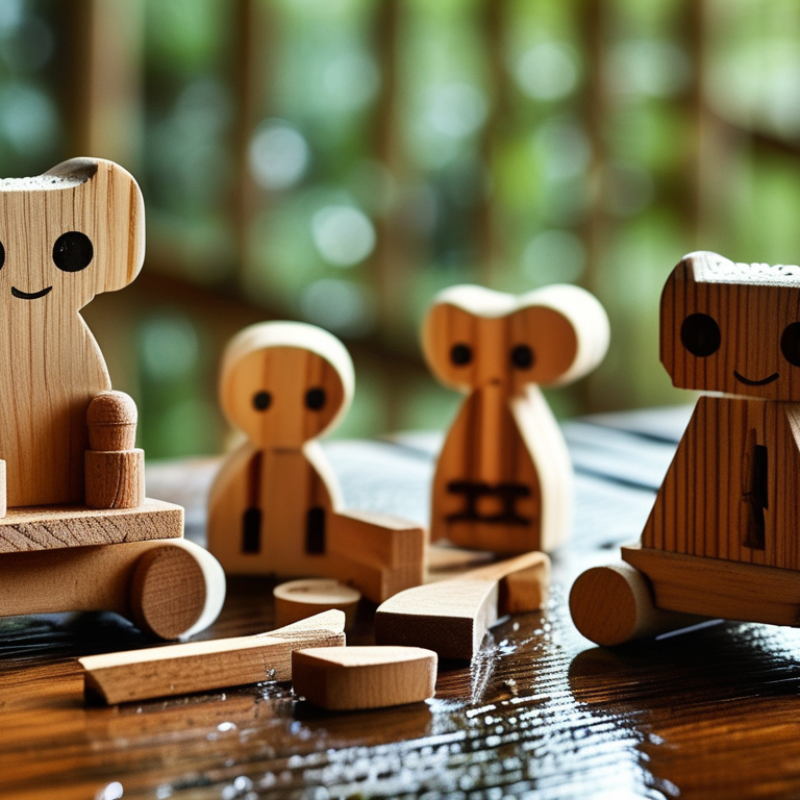
How to Store and Maintain Wooden Toys for Longevity

Choosing the Right Environment for Wooden Toy Storage

When it comes to storing wooden toys, the environment plays a crucial role in their longevity. Wood is a natural material that can react negatively to humidity and temperature fluctuations. According to a report by the American Academy of Pediatrics, maintaining a stable environment helps prevent warping and cracking, which can significantly shorten a toy's lifespan. Ideally, wooden toys should be kept in a cool, dry place away from direct sunlight. This helps retain their original finish and prevents fading.

Preventing exposure to humidity is essential. Environments with high moisture can cause mold growth. It is advisable to keep the storage area ventilated. A dehumidifier may be beneficial in areas with high humidity. Regular checks for signs of wear or damage can help catch issues early. It’s a good practice to clean toys regularly with a damp cloth followed by thorough drying.

Children can be rough on their toys, which can lead to chips or scratches. Rotating toys periodically can mitigate wear. This method ensures that each toy is used evenly and reduces the risk of any one item becoming overly worn. When storing toys, consider natural wooden boxes or breathable fabric bags to limit dust accumulation while allowing airflow.

Cleaning and Disinfecting Wooden Toys Properly

Cleaning wooden toys properly is essential for their longevity. Many parents may not know that wooden toys can harbor bacteria and dirt if not cleaned correctly. According to a survey by the American Academy of Pediatrics, nearly 40% of parents are unaware of proper cleaning methods for children’s toys. This lack of knowledge can lead to the spread of germs.

To clean wooden toys, use a damp cloth with mild soap. Avoid soaking the toys in water, as this can warp the wood. It’s crucial to ensure that the wood is treated with non-toxic finishes. For disinfecting, a solution of vinegar and water works effectively. This natural method can kill some germs without harming the toy material. Dry the toys thoroughly to prevent moisture from lingering.

Regular maintenance is key too. Inspect toys for any signs of wear or splintering regularly. A study in the Journal of Pediatric Health indicates that damaged toys can pose choking hazards. Address any imperfections right away. Encouraging good hygiene practices can also help. Teach children to wash their hands after playing. Clean toys weekly to ensure they remain safe and enjoyable for everyone.

Protecting Wooden Toys from Moisture and Heat Damage

Wooden toys are cherished for their natural beauty and durability. However, they can be vulnerable to moisture and heat damage if not properly stored. To protect these toys, consider the environment where they are kept. A cool, dry place is ideal. Avoid basements or attics that may experience extreme temperature changes. Wooden toys should not be left in direct sunlight for long periods. UV rays can cause fading and cracking in the wood.

Regular maintenance is also vital. Wipe down toys with a soft, dry cloth occasionally. This prevents dust build-up and helps identify early signs of damage, such as warping or splintering. If you spill water on a wooden toy, dry it immediately to prevent moisture absorption. Some toys may require oiling to maintain their finish; ensure you use a product suitable for wooden surfaces.

Consider using storage containers that help regulate humidity. Humidity can make wood swell or warp. After rains, check your storage area to ensure no water leaks in. A small hygrometer can help monitor the levels. Keeping wooden toys safe from extreme conditions enhances their longevity significantly, allowing future generations to enjoy them.

Regular Maintenance Techniques for Wooden Toys

When it comes to wooden toys, regular maintenance is key for their longevity. Regular cleaning should be your first step. Use a damp cloth to wipe them down. Avoid soaking them in water. Excess moisture can warp or crack the wood. This simple action keeps them looking fresh and ensures safety for little ones who play with them.

Another vital aspect is the application of natural oils. A linseed or beeswax finish can nourish the wood and protect it. This should be applied every few months, depending on use. Make sure to test any oil on a small area first. While it enhances the wood's appearance, it might change its texture.

Inspecting for damage regularly is crucial. Look for splinters or cracks that could pose risks. If you find any, address them immediately. Sand down rough edges gently. Don’t ignore these signs of wear. They can escalate into more serious issues if left unattended. Remember, maintaining wooden toys takes effort but is rewarding. It prolongs their lifespan and ensures safe, joyful play for years to come.

Wooden Toys Maintenance Frequency

Identifying Signs of Wear and Repairing Wooden Toys

Wooden toys can be delightful and allow for creative play. However, they require attention to stay in good condition. Regular inspections are crucial. Look for signs of wear, such as splintering or chipping. These issues can affect safety and playability. Small cracks often signal the need for repairs.

Repairing wooden toys doesn't always require professional help. Simple sanding can smooth rough edges. Use fine-grit sandpaper to avoid further damage. For deeper cracks, wood glue works well. Apply it carefully and clamp the pieces together overnight for a secure bond. Even if the repair isn't perfect, it brings the toy back to life.

Cleaning is also an essential part of maintenance. Wipe toys with a damp cloth regularly. Avoid harsh chemicals, as they can cause damage. Occasionally, natural oils can rejuvenate the wood's luster. Be cautious; too much oil can lead to sticky surfaces. Keeping a watchful eye on your wooden toys ensures they remain safe and enjoyable for many years.

FAQS

: What is the best environment for storing wooden toys?

: Store wooden toys in a cool, dry place. Keep them away from direct sunlight to prevent fading.

How does humidity affect wooden toys?

High humidity can cause mold growth. It may also lead to warping or cracking of the wood.

What methods can help maintain wooden toys?

Regular cleaning with a damp cloth is crucial. Avoid soaking toys; it can warp the wood.

How often should I clean wooden toys?

Clean wooden toys weekly to keep them safe and enjoyable for children.

Can I use any cleaning products on wooden toys?

Use mild soap with a damp cloth. Avoid harsh chemicals and ensure the finish is non-toxic.

What should I do if toys show signs of damage?

Inspect toys regularly for splinters and cracks. Address any issues immediately to ensure safety.

How can I prevent dust accumulation on toys?

Store toys in natural wooden boxes or breathable fabric bags. This allows airflow while keeping dust out.

Why is it important to rotate toys?

Rotating toys helps distribute wear evenly. This keeps every toy in good condition longer.

What natural products can I use to maintain wooden toys?

Consider using natural oils like linseed or beeswax. They protect the wood but test on a small area first.

What hygiene practices should I teach my child?

Encourage children to wash their hands after playing. This helps prevent the spread of germs.

Conclusion

When considering how to store and maintain wooden toys, it is essential to create an optimal environment that protects these cherished items from damage. Proper storage conditions involve keeping the toys in a dry, temperature-stable area away from direct sunlight to prevent warping and cracking. Regular cleaning and disinfecting should be done with appropriate cleaning agents that do not harm the wood, ensuring toys remain safe for play.

Additionally, protecting wooden toys from moisture is crucial, as excessive humidity can lead to mold and deterioration. Employing regular maintenance techniques, like checking for signs of wear and making necessary repairs, will extend the life of the toys. Overall, following these guidelines will ensure that wooden toys are preserved, allowing them to be enjoyed for generations.

Liam

Liam

Liam is a dedicated marketing professional with a profound expertise in the industry, where he excels at highlighting the unique advantages of our core products. With a keen understanding of market trends and consumer needs, Liam frequently updates our company’s professional blog, providing......