How to Clean Educational Wooden Toys Safely for Kids?

Time:2026-07-14 Author:Charlotte
0%

Cleaning educational wooden toys can be a daunting task for parents. These toys are beloved for their durability and educational value, yet they require special care. Expert Maria Thompson, a child development specialist, emphasizes, "Keeping wooden toys clean is essential, but you must do it safely." The concern for safety is paramount, especially when it comes to children.

When considering how to clean educational wooden toys safely, it’s important to use non-toxic methods. Many cleaning agents can harm the wood finish or introduce harmful chemicals. A simple solution is soap and water, but even that needs careful application. Too much moisture can warp the wood. Parents often overlook the intricacies involved in this process. They may assume any cleaner is suitable, but that’s not the case.

Mindful cleaning enhances the lifespan of these toys, ensuring they remain safe for children. Rushing through the cleaning process can lead to mistakes, such as ignoring hidden crevices where germs hide. Remember, cotton cloths work better than paper towels. They don't leave lint and are gentle on surfaces. A little extra effort goes a long way in maintaining both the beauty and safety of educational wooden toys.
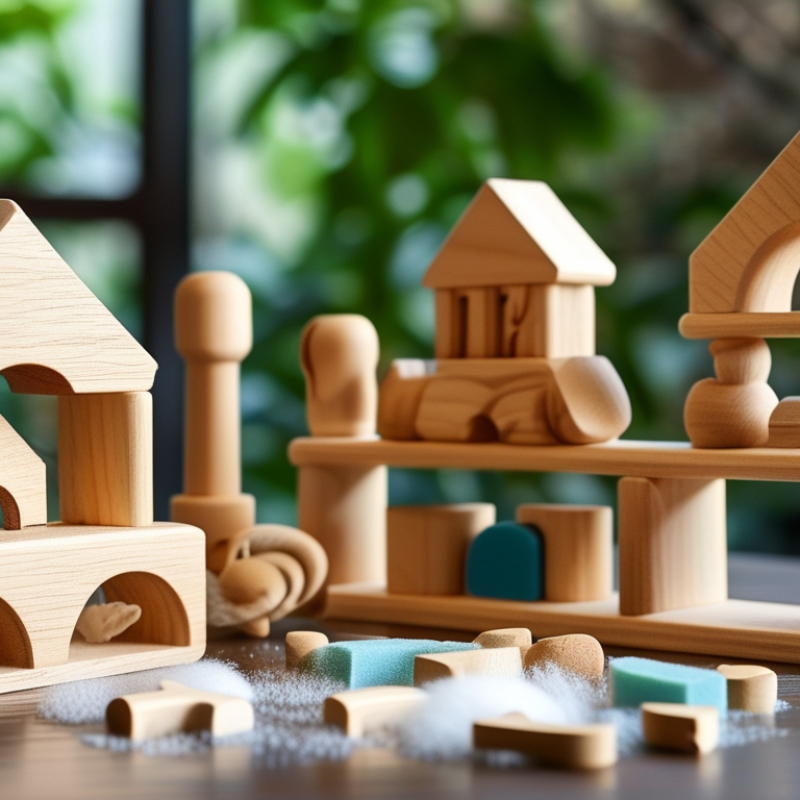
How to Clean Educational Wooden Toys Safely for Kids?

Identifying Safe Cleaning Methods for Wooden Toys

When cleaning educational wooden toys, parents must consider safe methods. Wood is porous, which can harbor germs. A study from the American Academy of Pediatrics indicates that cleaning toys regularly reduces the risk of illness in children. Simple solutions can be both effective and safe.

Using a mix of mild soap and warm water is advisable. A soft cloth or sponge can help. Avoid soaking the toys, as excessive moisture can damage the wood. For disinfecting, a diluted vinegar solution works well. This approach not only cleans but also reduces harmful bacteria.

Avoid harsh chemicals. According to the CDC, many commercial cleaners contain harmful substances that can linger on surfaces. It's essential to follow manufacturer guidelines. Some toys may require special care. Regular inspection for wear and tear is crucial. Parents should remember that imperfections may arise. A chipped toy might need attention beyond cleaning. Always prioritize safety and care in the cleaning process.

Essential Supplies for Cleaning Educational Wooden Toys

When it comes to cleaning educational wooden toys, having the right supplies is crucial. A soft cloth is essential for wiping surfaces without scratching the wood. Use lint-free types to avoid leaving fibers behind. For deeper cleaning, a gentle soap solution works wonders. Mix a few drops of mild soap with warm water. This combination will effectively remove dirt while keeping the toy safe.

Another must-have is a natural disinfectant, such as a vinegar and water solution. Mix equal parts vinegar and water in a spray bottle. This mixture is effective against germs and does not harm the wooden surface. Be sure to dampen your cloth with the solution rather than spraying directly on the toy. This helps prevent excessive moisture from seeping into the wood, which could lead to damage.

Don't forget an old toothbrush or a soft-bristle brush for reaching small crevices. This tool helps remove grime that's hard to reach with a cloth. However, it's important to clean thoughtfully. Over-scrubbing can wear down the paint or finish. Consider allowing toys to air dry after cleaning. Air drying ensures no moisture is trapped, maintaining the integrity of the wood. Prioritize safety and enjoy the process!

Step-by-Step Guide to Cleaning Wooden Toys Safely

Wooden toys are popular for their durability and natural appeal. However, cleaning them can be tricky. Start by gathering your supplies: a mild soap, soft cloths, and some water. Mix a small amount of soap into a bowl of warm water. Dip a cloth into the mixture, wring it out, and wipe down the toy gently. This prevents water damage while still ensuring cleanliness.

Rinse the cloth with clean water. Wipe again to remove soap residue. Pay special attention to corners and crevices where dirt may hide. For tough spots, consider using a soft brush. After cleaning, let the toy air dry completely. Remember, over-saturation can warp wood.

If you find any cracks or chips, reflect on potential hazards. You may need to replace affected toys. Regular maintenance is vital for safety and hygiene. It's crucial to approach this task with care. Wooden toys can last for years when handled properly.

How to Clean Educational Wooden Toys Safely for Kids? - Step-by-Step Guide to Cleaning Wooden Toys Safely

Step Action Materials Needed Safety Tips
1 Dust off the toy Soft cloth or brush Ensure the cloth is clean; avoid any sharp tools.
2 Prepare cleaning solution Warm water, mild soap Use natural soap to prevent skin irritation.
3 Wipe down the toy Soft cloth soaked in solution Avoid soaking the wood, as it can warp.
4 Rinse with a damp cloth Damp soft cloth Ensure no soap residue remains.
5 Dry thoroughly Dry cloth, air drying Make sure to dry completely to prevent mold.
6 Store properly Clean, dry storage space Keep away from humidity and direct sunlight.

Tips for Maintaining the Quality of Wooden Toys

Maintaining the quality of wooden toys is essential for their longevity. Wooden toys can get dirt and grime on their surfaces. To keep them looking good, regular cleaning is necessary. Use a damp cloth for light cleaning. Avoid soaking the wood; excess water can warp and damage it.

For deeper cleaning, mix a mild soap with water. Dip your cloth in the solution, wring it out well, and wipe the surfaces. Be cautious with scrubbing, as this can scratch the finish. Rinse your cloth and remove soap residue afterward. Allow the toys to air dry completely, ensuring no moisture remains.

Storing wooden toys properly is equally important. Keep them in a dry place, away from direct sunlight. Avoid areas with high humidity, as this can lead to mold or splintering. Inspect toys regularly for signs of wear. If a toy starts to lose its finish, consider refinishing it. This approach requires patience and attention to detail, but it's rewarding to see toys last through playtime adventures.

Best Practices for Storing Clean Wooden Toys

Storing clean wooden toys requires special attention to maintain their quality and safety. It is vital to choose a dry and cool area. Humidity can warp the wood or encourage mold growth. A designated storage box is helpful. Use breathable materials, like cotton or linen, for the lining. Avoid plastic containers, as they can trap moisture.

Additionally, organize toys by size or function. This not only helps in finding them easily but also reduces wear and tear. Consider using shelves or baskets that allow air circulation. Inspect the toys regularly for any damage or wear. If you notice rough spots or loose parts, fix them promptly.

It's essential to encourage children to participate in the storing process. This teaches responsibility and care for their toys. However, not every child may appreciate this routine. Be patient and lead by example. Sometimes, the best practices require adjustments based on the child's age and understanding. Everyone learns at their own pace, and that's okay.

FAQS

: What supplies do I need to clean wooden toys?

: You'll need a soft cloth, mild soap, and water. A natural disinfectant like vinegar and water is also helpful.

How should I mix the cleaning solution?

Combine a few drops of mild soap with warm water for effective cleaning.

How do I apply the cleaning solution?

Damp the cloth with the solution, avoiding direct sprays on the toy to prevent excess moisture.

What tool is useful for cleaning small areas?

An old toothbrush or soft-bristle brush helps reach crevices. Be careful not to scrub too hard.

How can I avoid damage while cleaning?

Gently wipe the toys and air dry them completely to prevent water damage or warping.

What should I do if I find cracks in my toys?

Reflect on safety; you may need to replace any toys that show cracks or significant wear.

How often should I clean wooden toys?

Regular maintenance is important. Clean them often, especially if they get dirty from play.

Where is the best place to store wooden toys?

Keep them in a dry, cool area away from sunlight and high humidity to avoid damage.

How do I maintain the finish of wooden toys?

If the finish starts to fade, consider refinishing. This takes time, but it extends the toy's life.

Conclusion

Cleaning educational wooden toys safely is essential for maintaining a healthy play environment for children. To start, it's crucial to identify safe cleaning methods that protect the wood while effectively removing dirt and germs. Common supplies needed for this process include mild soap, water, and soft cloths.

The step-by-step guide involves gently wiping the toys with a damp cloth, ensuring no excess moisture is left, followed by air-drying. To maintain the quality of wooden toys, it's important to avoid harsh chemicals, and regular cleaning should be part of the routine. Additionally, best practices for storing these toys include keeping them in a dry, cool place to prevent damage. By following these guidelines on how to clean educational wooden toys safely, parents can ensure their children's toys remain safe, clean, and durable.

Charlotte

Charlotte

Charlotte is a seasoned marketing professional with a deep understanding of the company's portfolio and a passion for elevating its presence in the market. With a keen eye for detail and a commitment to excellence, she ensures that our professional blog is regularly updated with insightful articles......