When considering "what skills can children develop with wooden toys?", experts highlight the importance of hands-on learning. Dr. Emily Carter, a child development specialist, emphasizes that “wooden toys nurture creativity and problem-solving in young minds.” These toys are not just playthings; they offer rich opportunities for children's growth.
Wooden toys encourage fine motor skills and hand-eye coordination. For instance, building blocks require children to grip, stack, and balance. This process enhances their dexterity and spatial awareness. Additionally, these toys promote imaginative play, allowing children to explore their creativity. They can build their own worlds, thereby developing storytelling abilities and social skills during collaborative play.
However, it’s essential to note that not all children may engage the same way with wooden toys. Some might prefer digital interactions. This difference signifies that while wooden toys provide vital skills, the outcome varies based on individual preferences. Embracing this diversity in play opens discussions on how best to cater to all children's unique developmental paths.
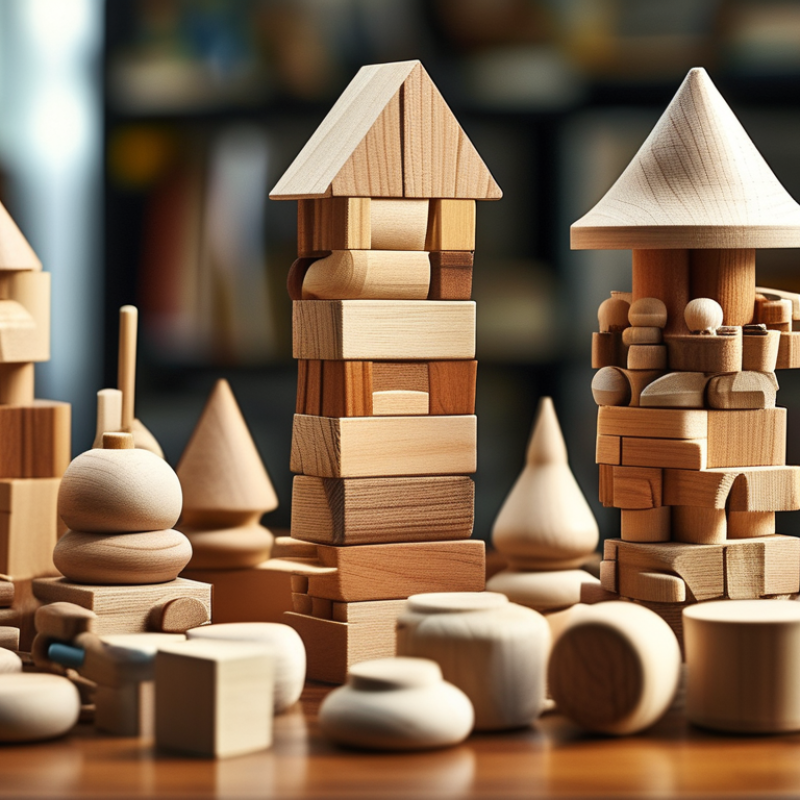
Benefits of Wooden Toys for Child Development
Wooden toys are more than just playthings. They offer various benefits that aid in child development. Playing with wooden toys encourages creativity. Children can build structures and invent stories around their play. The tactile nature of wood stimulates sensory exploration. Kids learn to differentiate textures, shapes, and sizes.
Additionally, wooden toys promote cognitive skills. When children play with blocks or puzzles, they improve problem-solving abilities. This hands-on experience helps them understand basic principles of physics and mathematics. The act of stacking blocks fosters spatial awareness. Kids learn about balance and gravity through play.
Here are some tips for choosing wooden toys. Look for toys that encourage open-ended play. These toys allow children to use their imagination. Choose toys that suit your child’s age and interests. This makes playtime engaging. Ensure toys are safe and free of harmful chemicals. Prioritize quality over quantity. A few well-made wooden toys can lead to countless creative possibilities.
Cognitive Skills: Enhancing Problem-Solving Abilities
Wooden toys offer children a wonderful avenue to enhance their cognitive skills, particularly problem-solving abilities. These toys encourage exploration and creativity. For instance, a simple puzzle requires children to fit pieces together, which prompts them to think critically. They must analyze shapes, colors, and sizes, leading to improved spatial awareness.
When children engage with wooden blocks, they learn to construct various structures. This activity promotes logical thinking as they figure out how to balance different blocks. Sometimes, the tower collapses. Such moments teach resilience and encourage children to reassess their strategies. They might wonder, “What can I change to make it sturdier?” This reflection is vital for developing problem-solving skills.
Additionally, role-playing with wooden toys helps children navigate scenarios and develop solutions. They create stories that may not go as planned, prompting them to think on their feet. This imaginative play nurtures their ability to adapt and innovate, critical components of effective problem-solving. While some may struggle with challenges, these moments foster a growth mindset, shaping future thinkers.
Fine Motor Skills: Improving Hand-Eye Coordination
Wooden toys are an excellent way for children to enhance their fine motor skills. As kids manipulate these toys, they naturally improve their hand-eye coordination. For example, when stacking blocks, they must align their movements with their visual perception. This dynamic interaction helps them learn balance and control.
Playing with wooden puzzles also engages fine motor skills. Children twist and turn pieces, which fosters critical thinking and spatial awareness. They must adjust their grip to fit pieces correctly, encouraging precise movements. Sometimes, they face challenges, like misplacing a piece. This can be frustrating but allows them to reflect and solve problems independently.
Beyond physical benefits, wooden toys promote patience and focus. Children learn to concentrate while working with intricate designs. While not every attempt may be successful, these experiences teach perseverance. Small setbacks, such as a fallen tower, become learning opportunities. Each play session builds confidence and resilience, essential traits for future endeavors.
Social Skills: Encouraging Cooperative Play among Children
Social skills are vital for children's development. Wooden toys can play a significant role in fostering these skills. Research shows that cooperative play enhances communication and teamwork abilities. Children learn to share, negotiate, and resolve conflicts during play. This interactive experience builds a strong foundation for social interactions in later stages of life.
In a recent report from the American Academy of Pediatrics, group play significantly contributes to emotional regulation. Children exposed to cooperative settings show improved empathy and understanding. They learn to appreciate diverse perspectives, which is crucial in today's interconnected world. However, not all children may adapt easily. Some may struggle with sharing or become frustrated when things don't go their way.
The process of acquiring social skills is not always smooth. Mistakes and setbacks are part of learning. Wooden toys can provide a safe space for trial and error. They encourage children to express their feelings and reflect on their actions. Through these experiences, kids develop resilience and confidence. Ultimately, engaging with wooden toys promotes essential social interactions that prepare children for future relationships.
Creativity and Imagination: Fostering Artistic Expression through Play
Wooden toys stimulate creativity and imagination in children. These timeless playthings invite kids to explore their artistic side. The tactile nature of wood allows for unique textures and shapes. Children can manipulate these toys in endless ways, leading to innovative play scenarios. This open-ended exploration fosters their imagination.
When children play with wooden blocks, they construct not just buildings, but entire worlds. Their minds race with possibilities. They learn to express emotions and ideas through the characters they create. This form of play helps develop storytelling skills. Yet, some may find it challenging to invent stories at first. They might need encouragement to let go of limitations.
Artistic expression through wooden toys can also expose children to imperfections. A child might paint a block and create a misshapen character. That flaw can spark interesting stories or new ideas. Embracing these imperfections teaches resilience. Children learn that art and play are about process, not just perfection. The journey of creativity becomes a meaningful exploration of self-expression.
Emotional Resilience: Building Patience and Focus in Children
Wooden toys are not just playthings; they are tools that help build emotional resilience in children. Engaging with these toys encourages patience. When a child assembles a complex block structure, it requires time and perseverance. They learn to deal with mistakes, adjusting their approach rather than giving up. Each failure is a step toward success.
Focus is another skill honed through play. Children immersing themselves in creative play with wooden toys often enter a flow state. This deep engagement fosters concentration, allowing them to tune out distractions. However, not every child finds this easy. Some may struggle to stay focused and may need gentle guidance. This can be a moment for parents to reflect on how they approach patience and support.
The tactile nature of wooden toys provides sensory feedback, enhancing the learning experience. When children build or create, they feel a sense of ownership. Yet, it’s essential to recognize that the journey is not always smooth. Children may feel frustrated and overwhelmed at times. It’s in navigating these feelings that they truly build emotional resilience. This process is valuable, reflecting life’s ups and downs.
10 Best Skills Children Can Develop with Wooden Toys
This chart illustrates the impact of wooden toys in developing essential skills in children. Each skill is rated based on its level of development percentage, showcasing how wooden toys can enhance emotional resilience, creativity, motor skills, and more.
FAQS
: Wooden toys encourage creativity, sensory exploration, and cognitive skills in children.
Puzzles and blocks prompt critical thinking and spatial awareness, helping children analyze shapes and sizes.
They promote open-ended play, allowing children to use their imagination and create unique scenarios.
Building with blocks teaches balance, resilience, and logical thinking, especially when structures collapse.
Yes, some may struggle initially, but these moments encourage reflection and growth in problem-solving.
Their unique textures and shapes allow children to manipulate and explore, leading to innovative play.
They learn storytelling and emotional expression, which can be challenging but rewarding with encouragement.
Yes, flaws in creations can inspire new ideas and encourage resilience in artistic expressions.
Look for safe, quality toys that match children's ages and interests to enhance engagement.
A few well-made toys can offer countless creative possibilities compared to many inferior options.
Conclusion
Wooden toys offer numerous benefits for child development, making them a valuable resource for parents seeking to enhance their children's skills. One significant area is cognitive skills, where these toys can boost problem-solving abilities through engaging challenges and puzzles. Additionally, wooden toys help improve fine motor skills by enhancing hand-eye coordination as children manipulate different shapes and objects.
Social skills also flourish with wooden toys, as they encourage cooperative play, allowing children to learn teamwork and communication. Furthermore, they stimulate creativity and imagination, fostering artistic expression during play. Lastly, wooden toys contribute to emotional resilience by teaching patience and focus, essential traits for children's overall growth. In summary, what skills can children develop with wooden toys includes cognitive, fine motor, social, creative, and emotional skills, paving the way for holistic development.

 Fyre Toys